| Name of walk | Kew Royal Botanical Gardens |
| Date of walk | 2026-07-22 |
Photos from five trips to Kew Gardens in July and September 2026. We have Boundless membership, so get in to Kew free, and can enter at 8am, two hours before the general public. The gardens had the largest ever outdoor display of Henry Moore sculptures ‘Monumental Nature’. Which is until Jan 31st 2027. I saw all 30, but didn’t photograph them all. The drought had had an effect on some of the garden areas, but Kew has its own underground water storage which was used where needed.
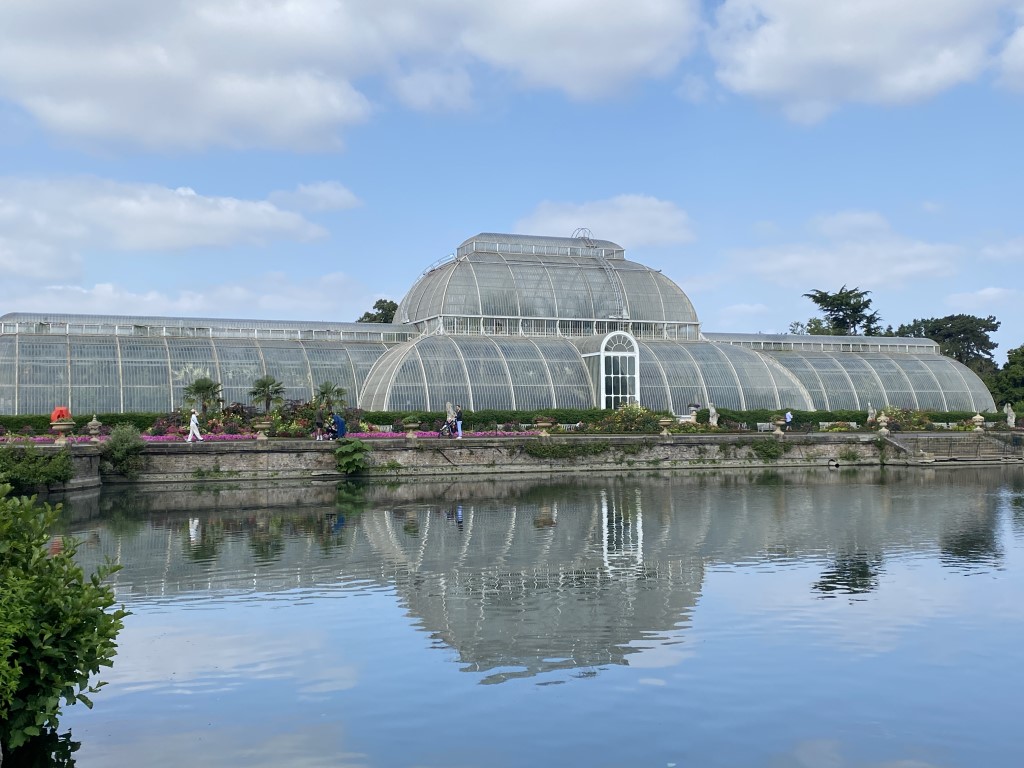
Palm House which is in the process of plant removal so the glasshouse can be restored.


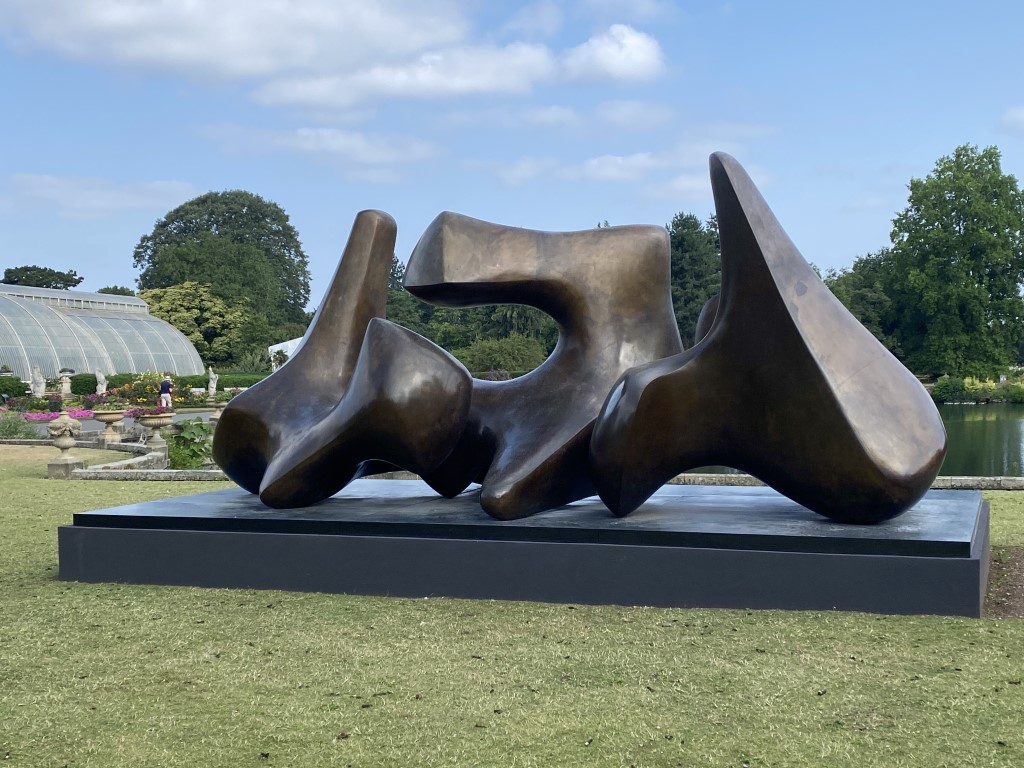
Henry Moore: Vertebrae.

Henry Moore: Arch Leg.
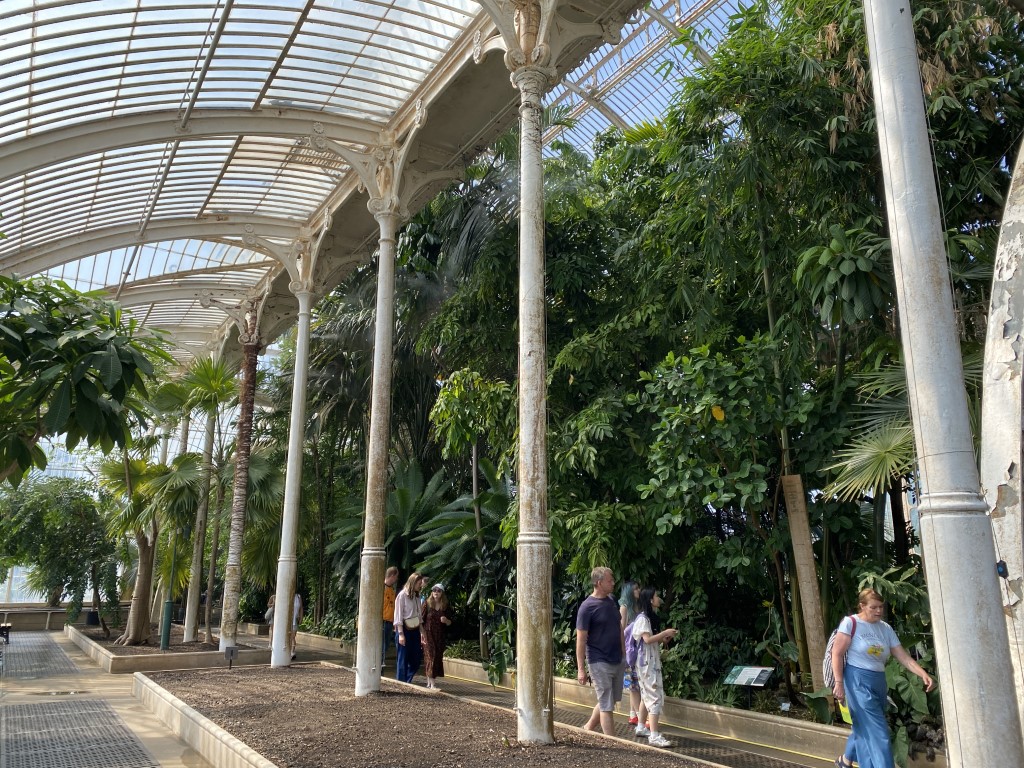
Inside the Palm House with some empty beds.
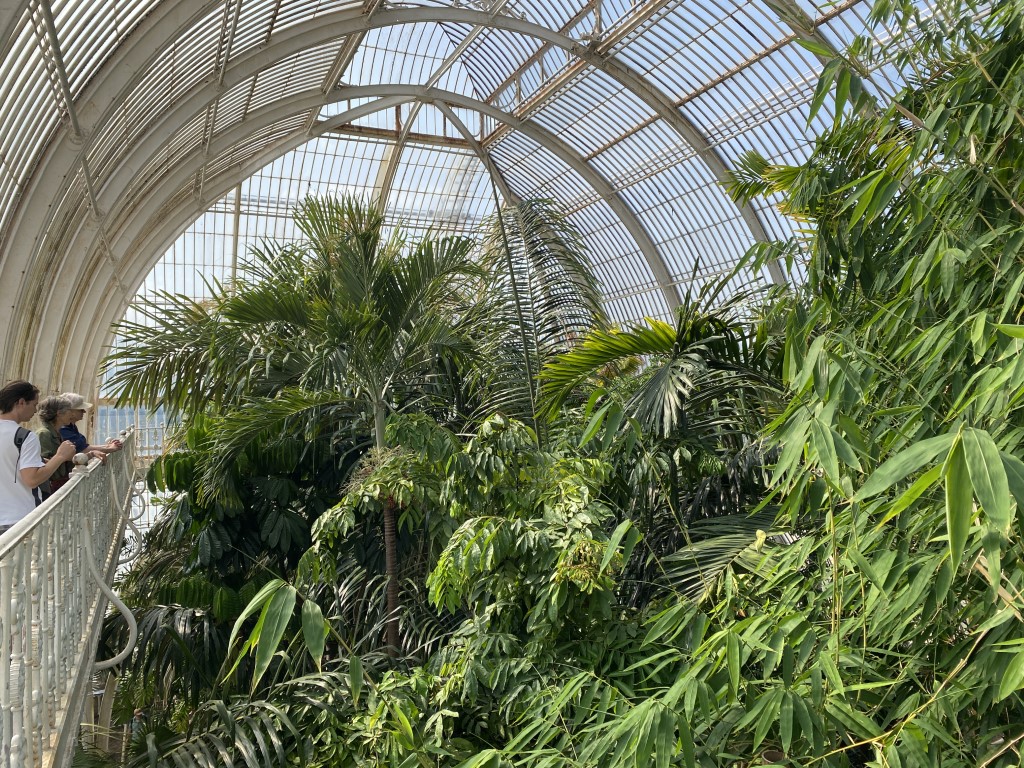
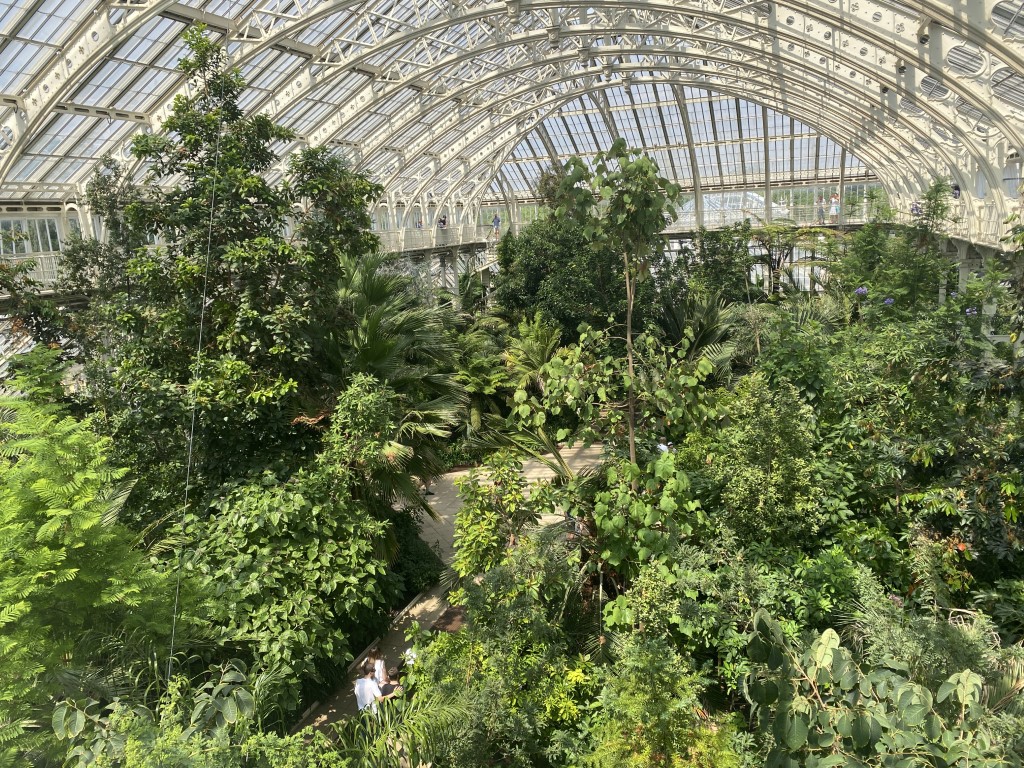
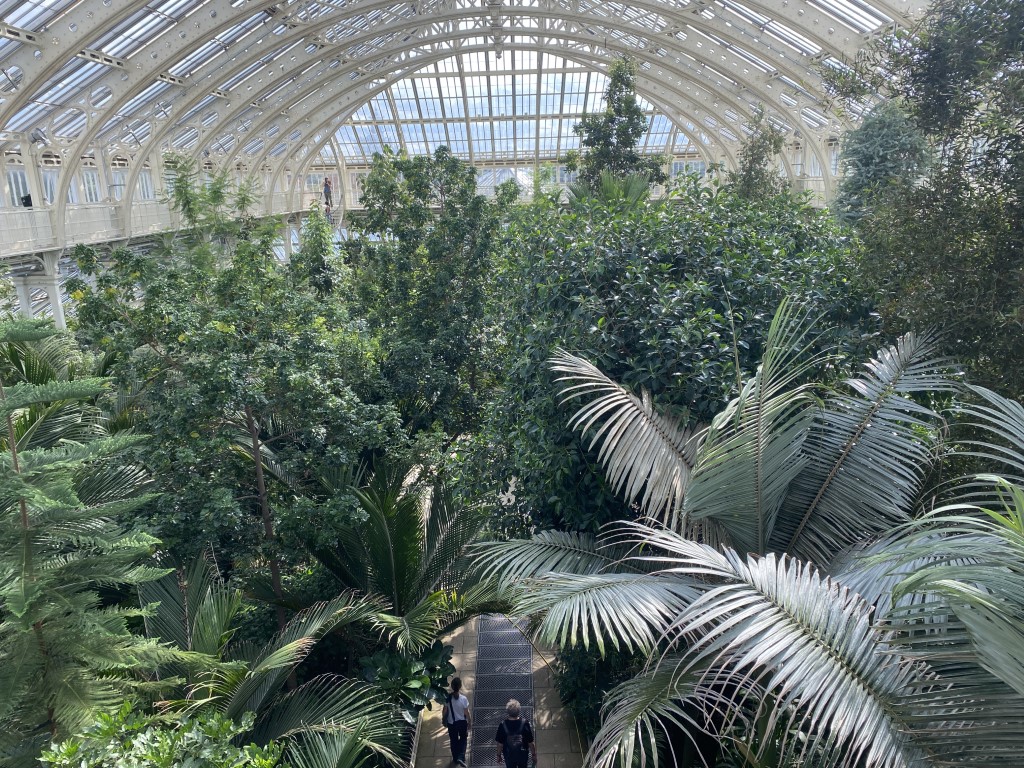
The walkways provide and excellent view of the canopy.


The oldest pot plant in the world, Encephalatos altensteinii, from the Eastern Cape in South Africa, has been at Kew since 1775.
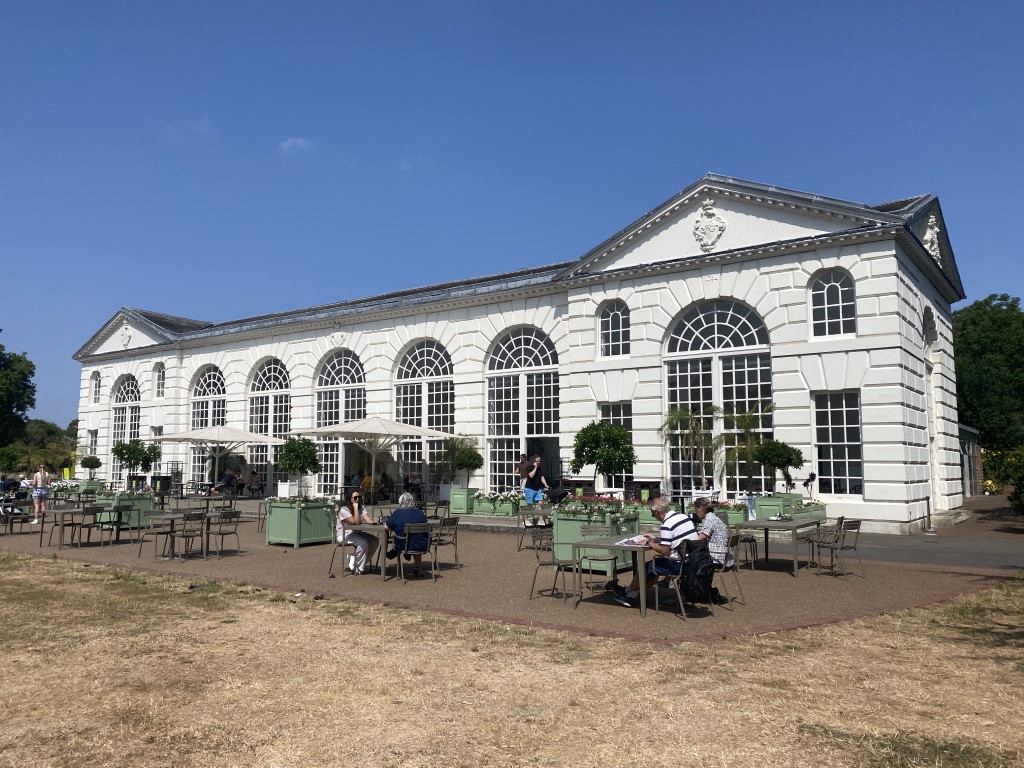
The Orangery, for when it is time for a coffee.
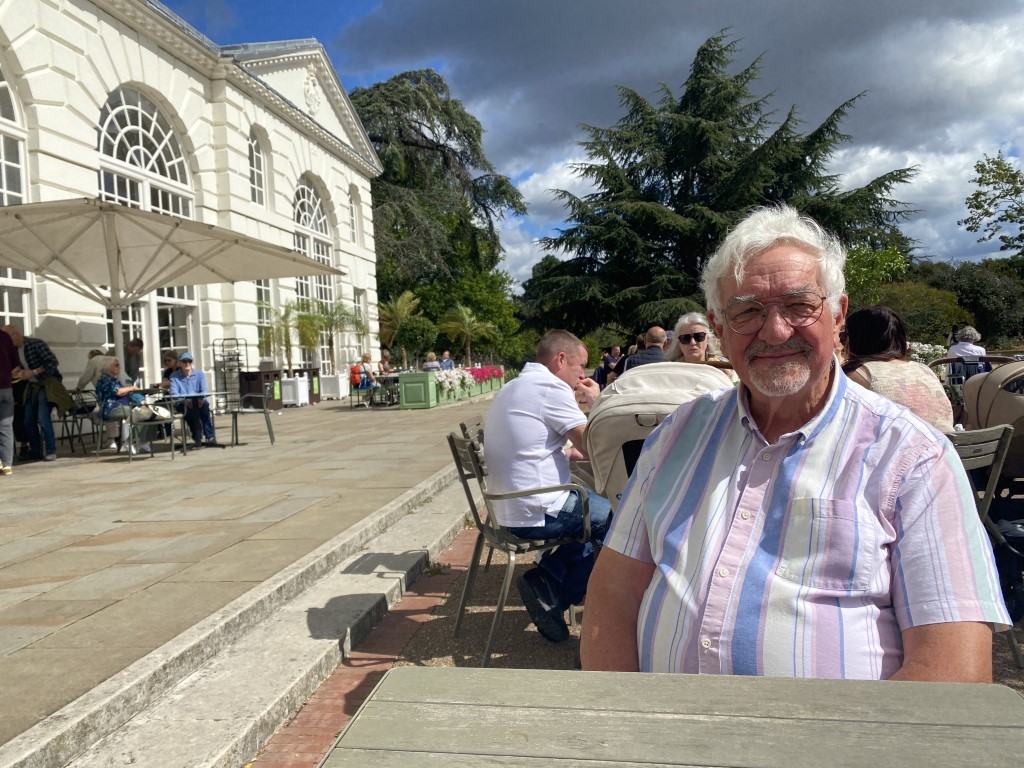
Brendan at The Orangery.
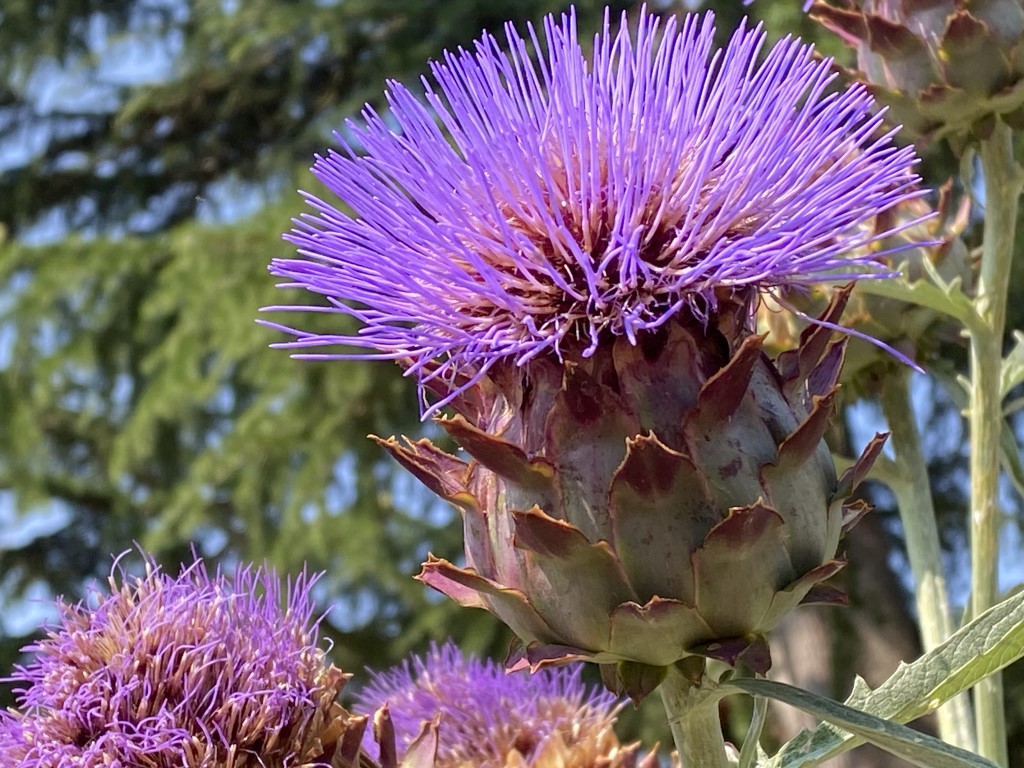
Cardoon flower in the Great Broad Walk border.
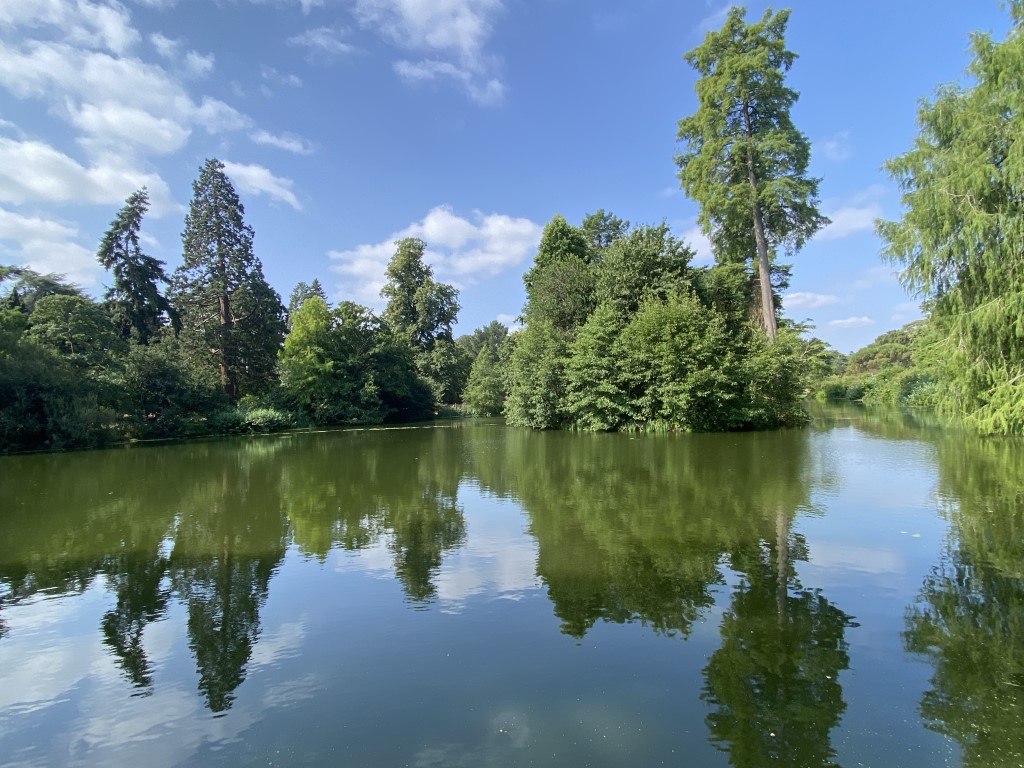
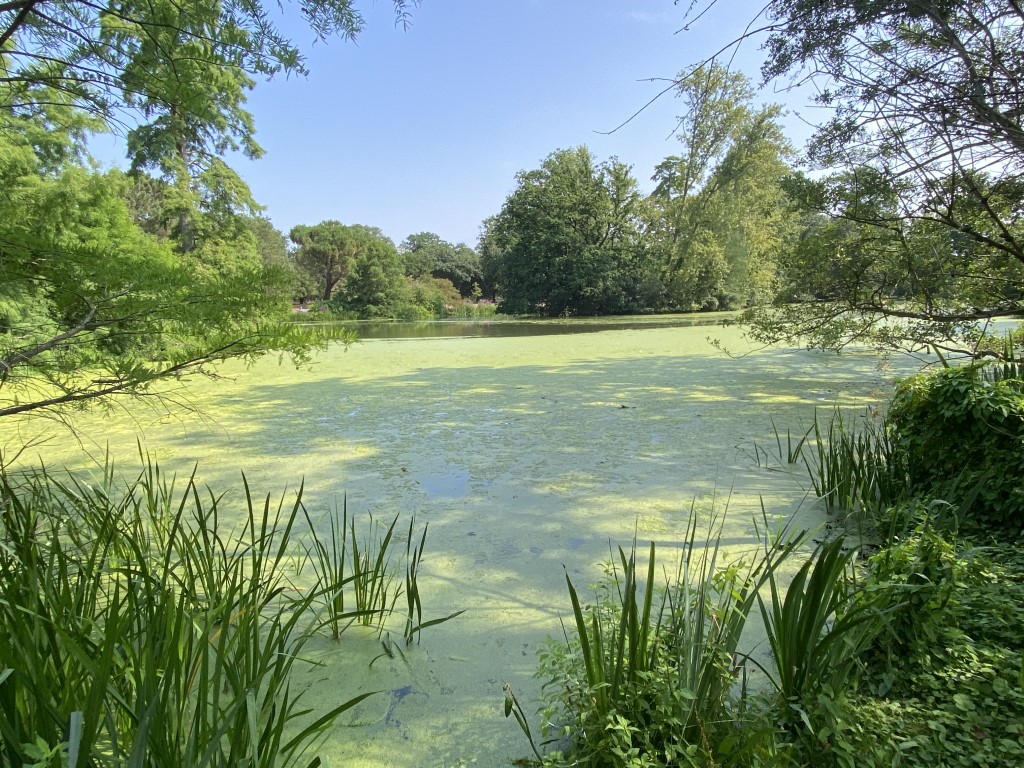
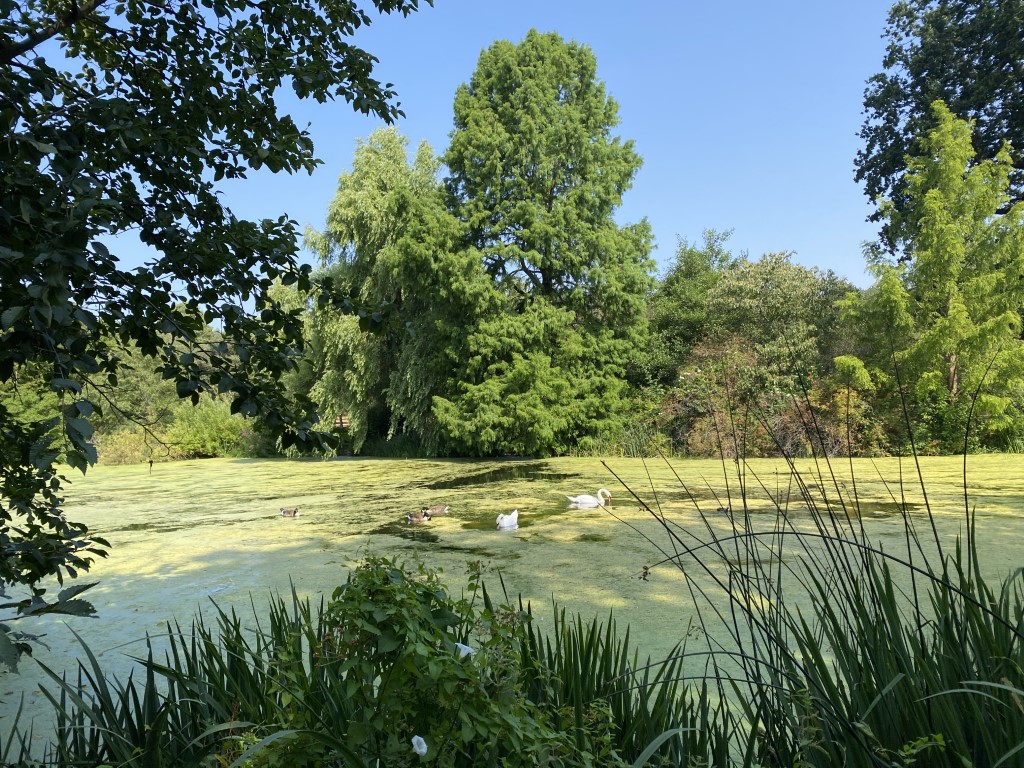
The Lake.

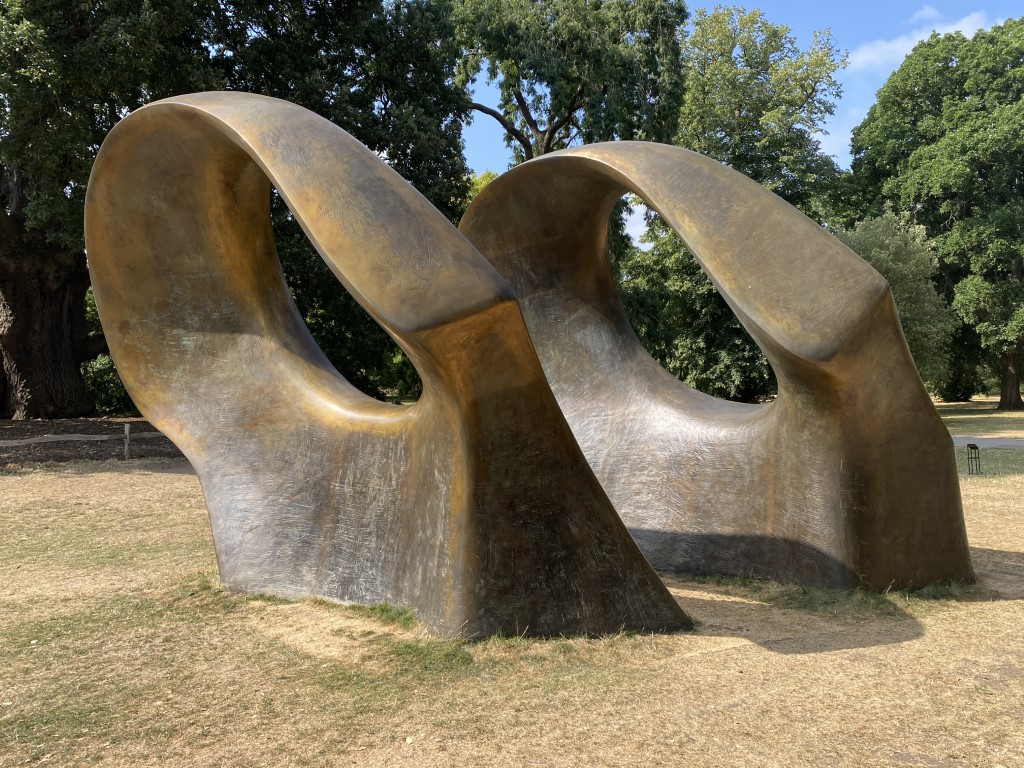
Henry Moore: Double Oval.

Henry Moore: Large Two Forms. Syon House in the background.
Henry Moore: Goslar Warrior.
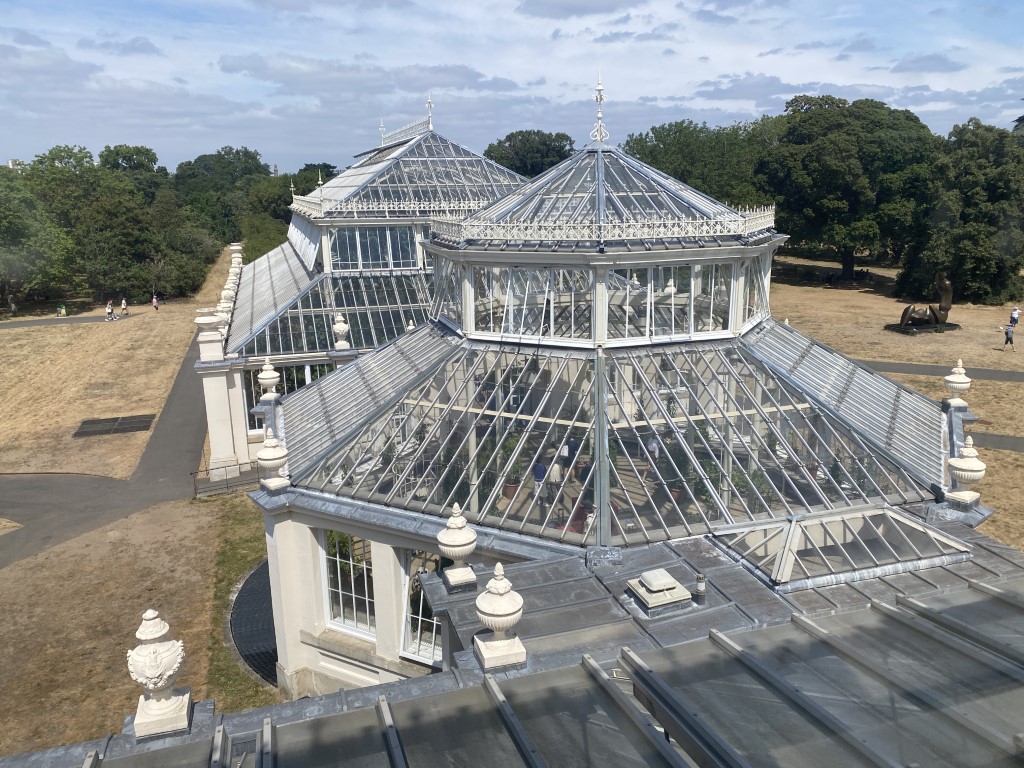
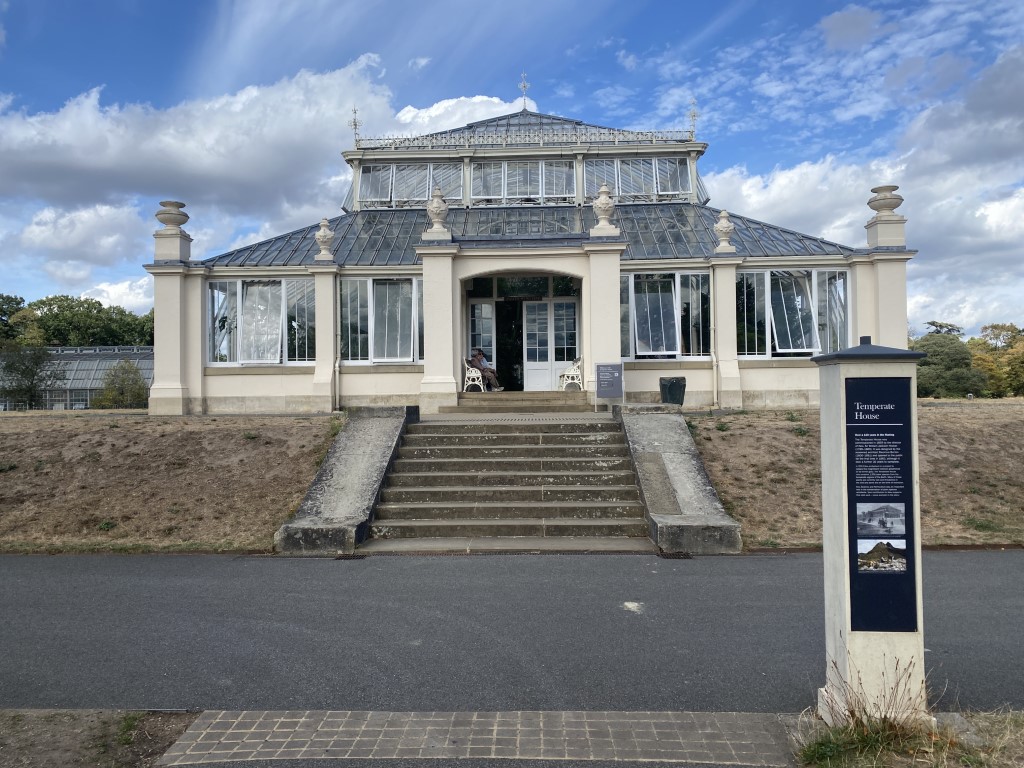
The Temperate House.
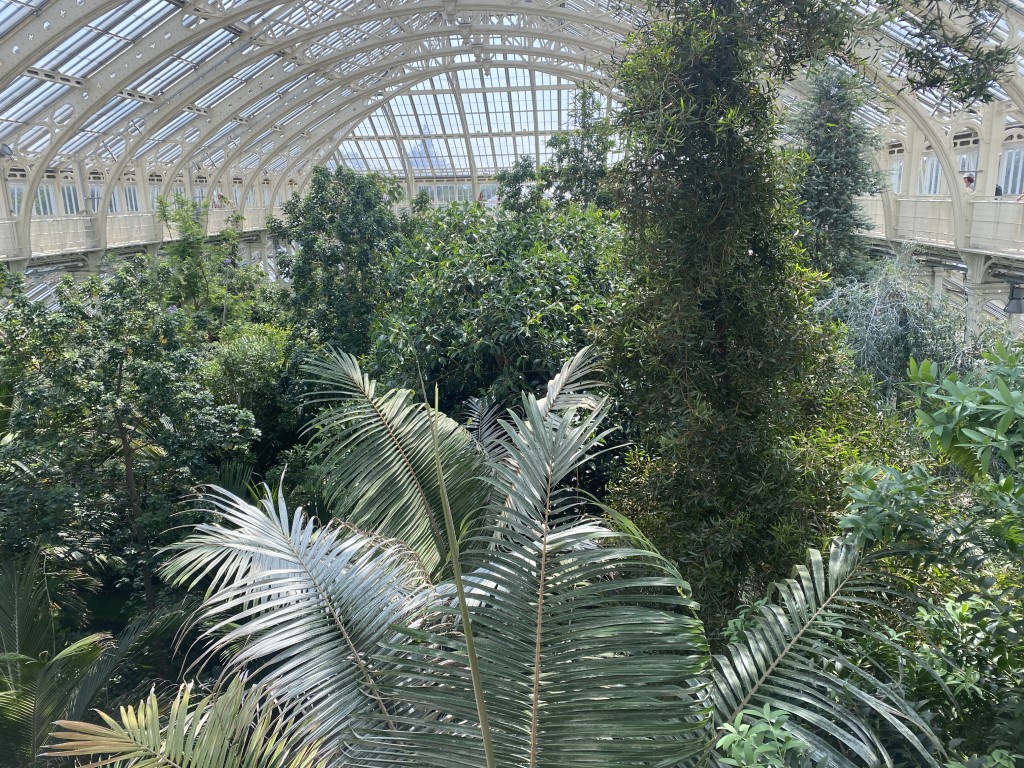


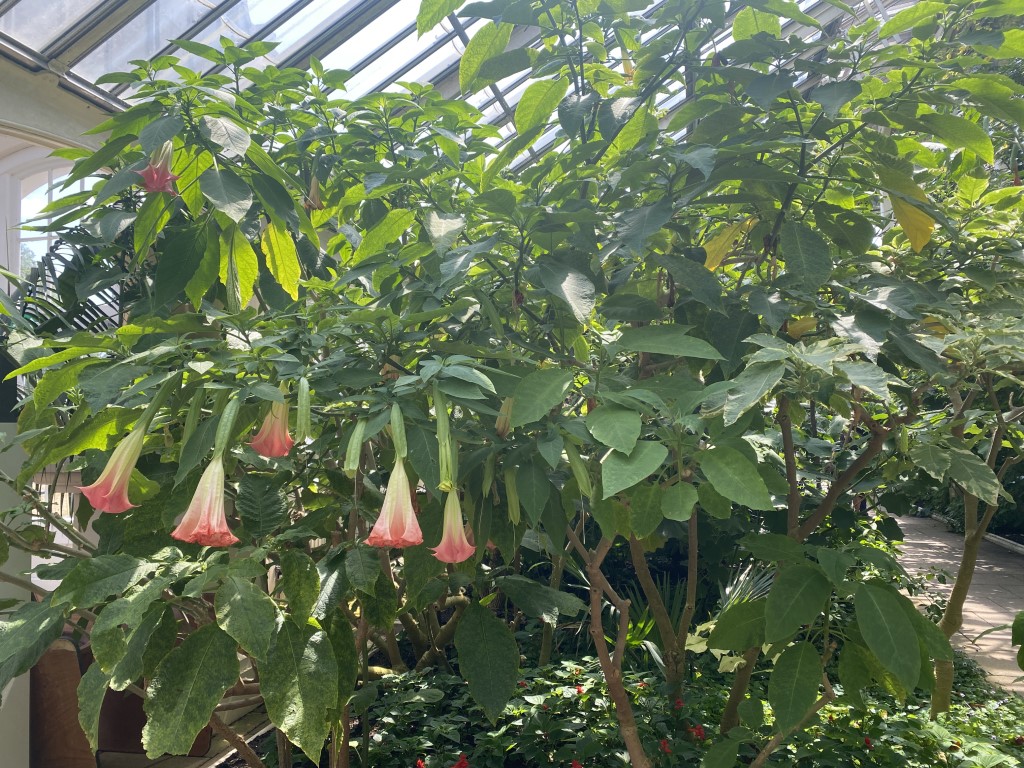
Brugmansia (Angel's Trumpet) We have this in our garden, but it goes into the greenhouse for the winter.
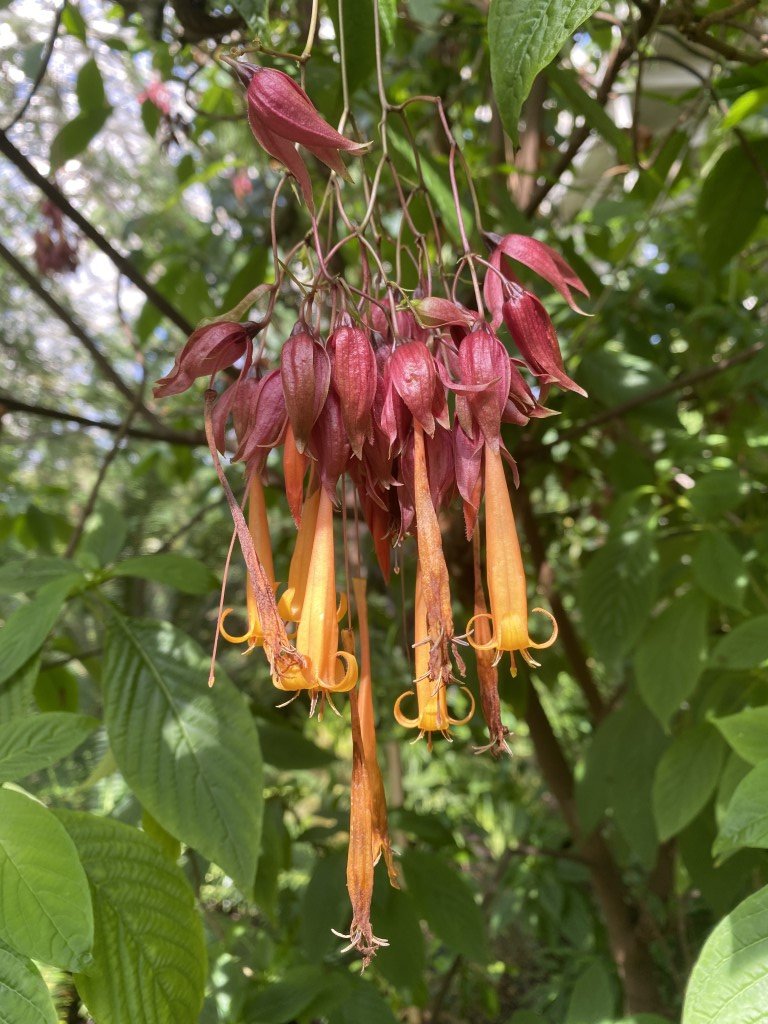
Fuchsia.

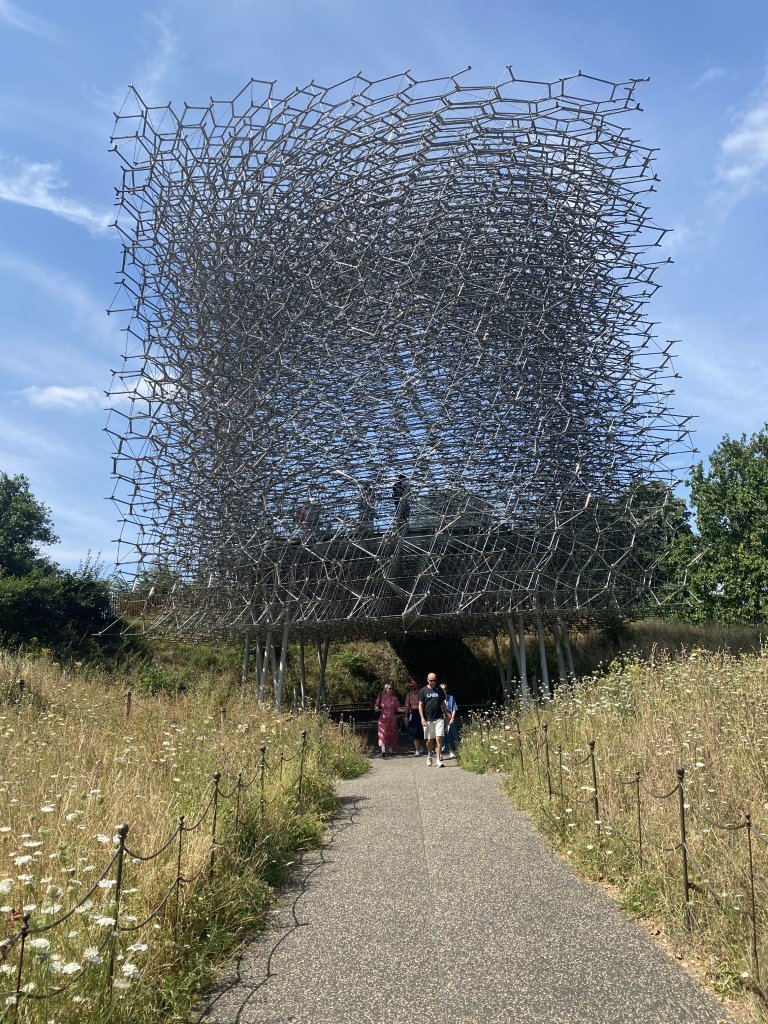
The Hive, a sound installation by Wolfgang Buttress in the heart of a wildflower meadow, recreates life inside a beehive. The sounds are in the key of C, the key that bees buzz in.

View up.
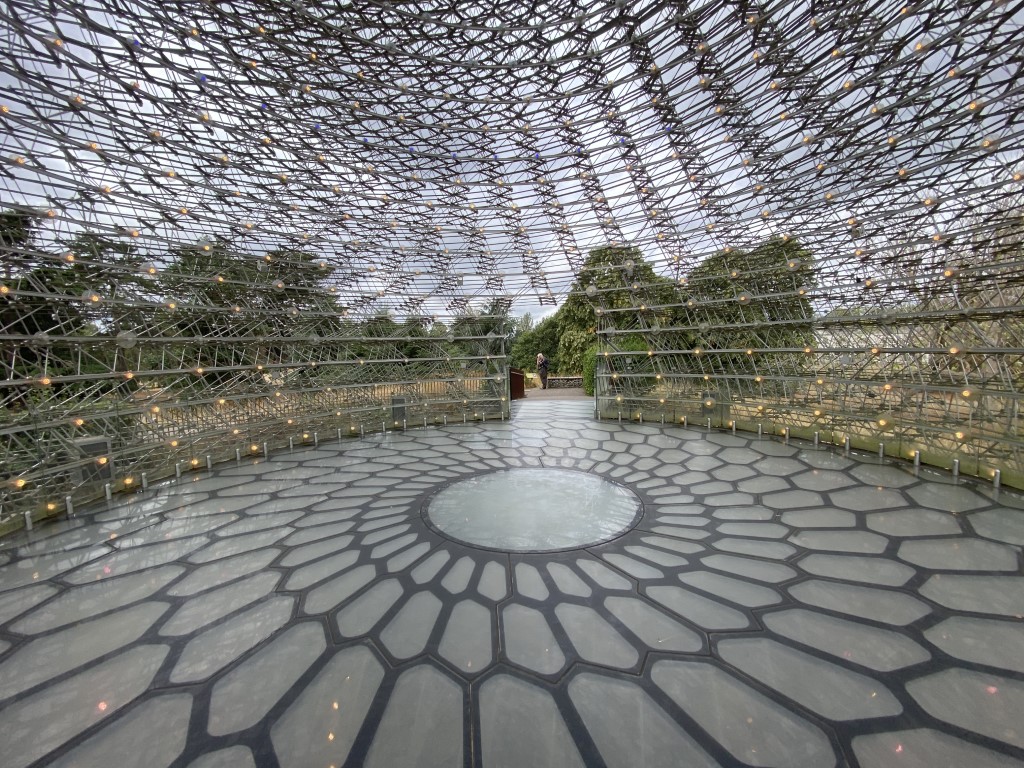
Brendan at the entrance.
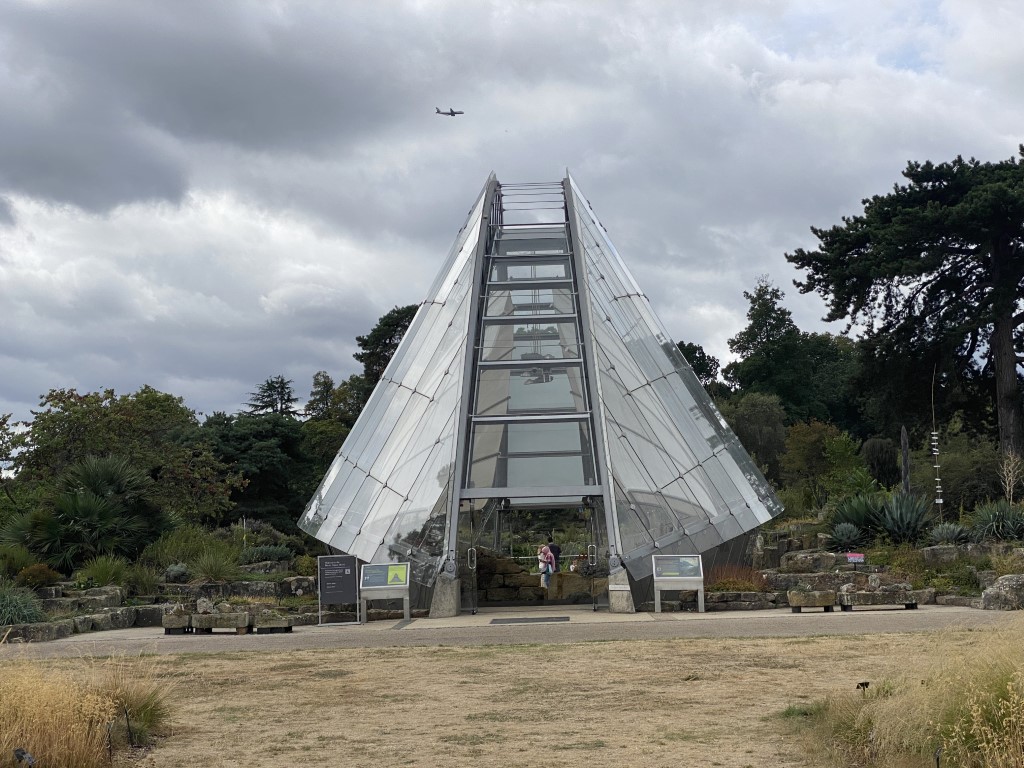
Davies Alpine House.

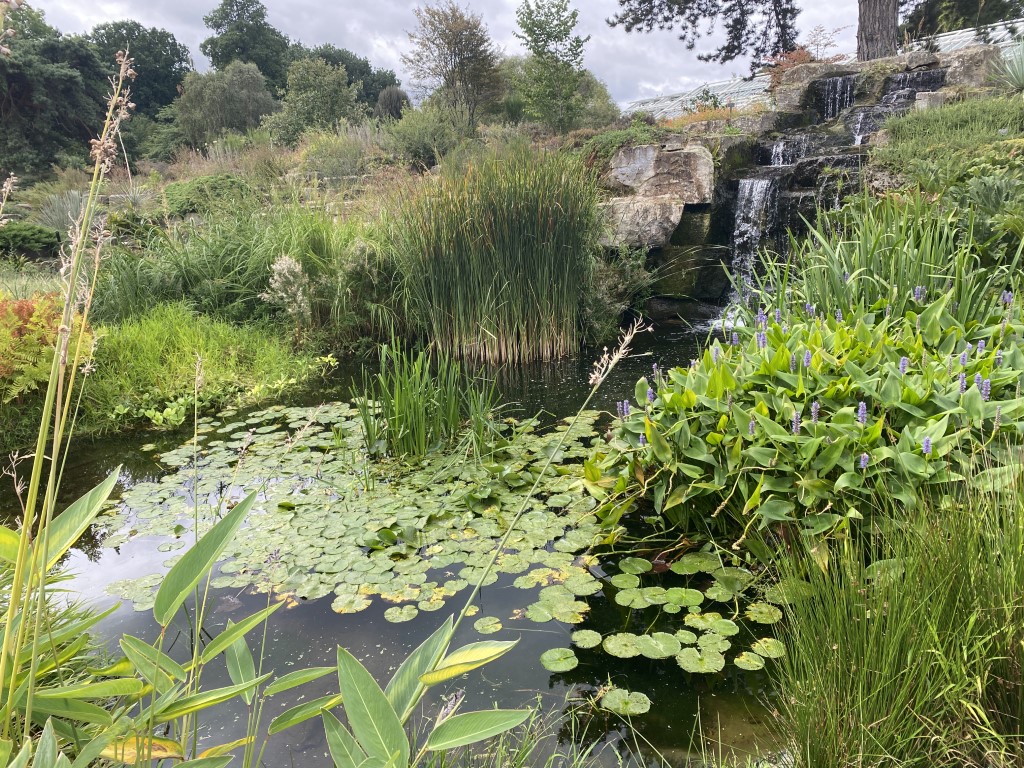
Rock Garden in July.
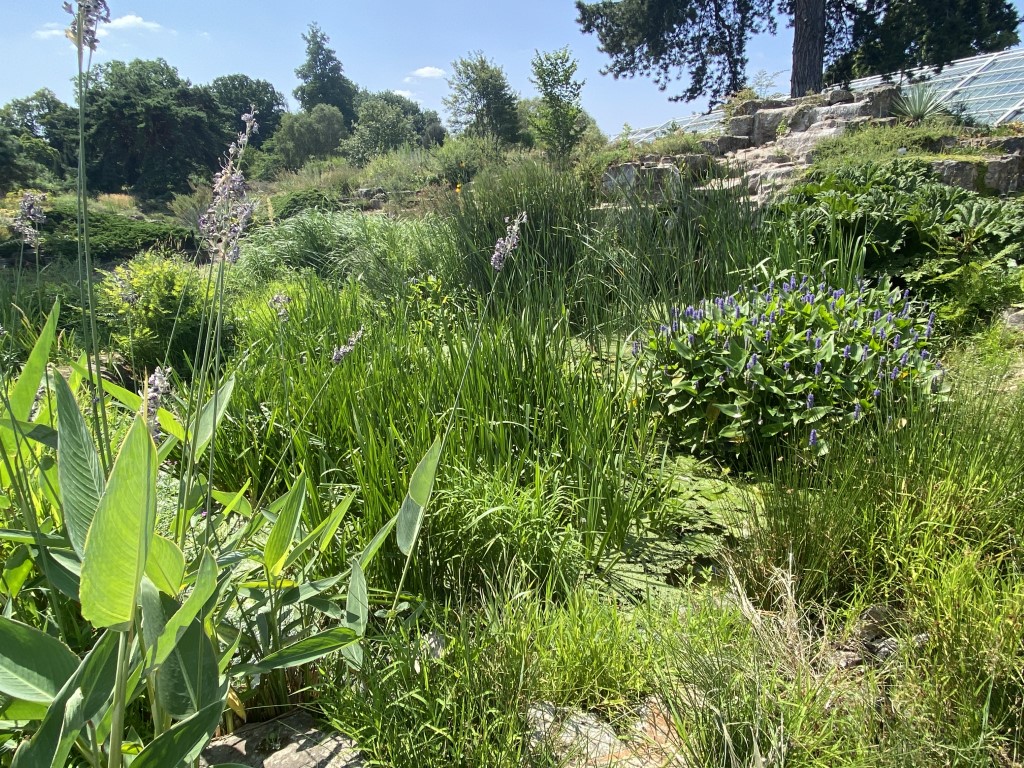
The same photo in September.
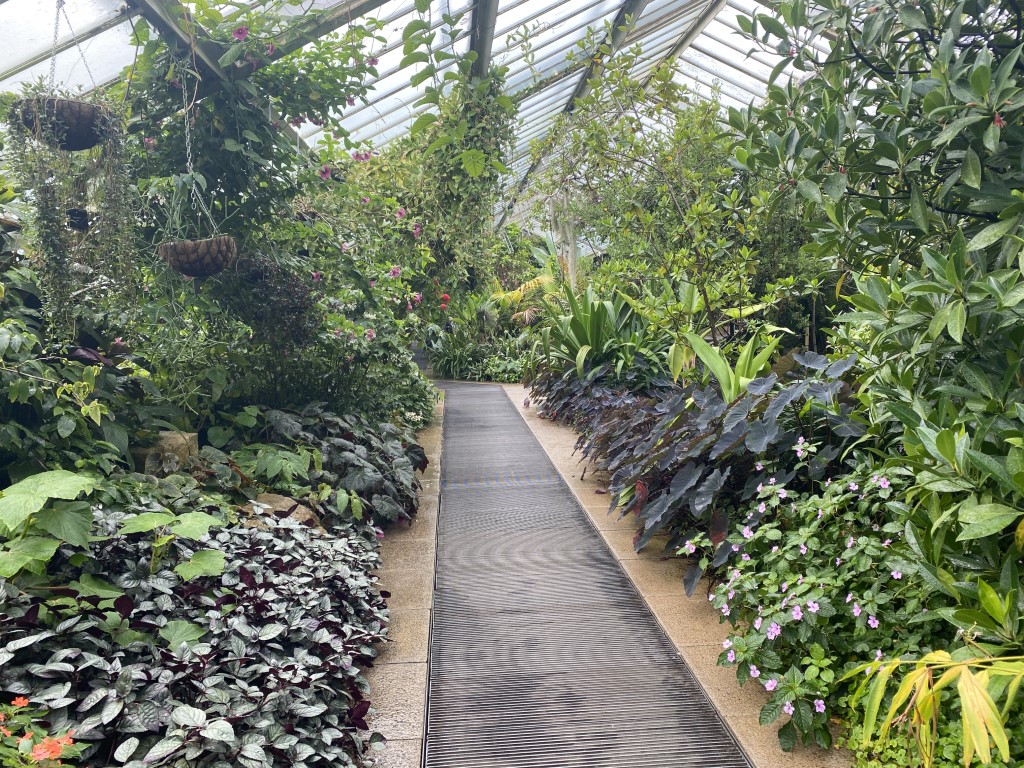
Princess of Wales Conservatory for the more tropical plants.
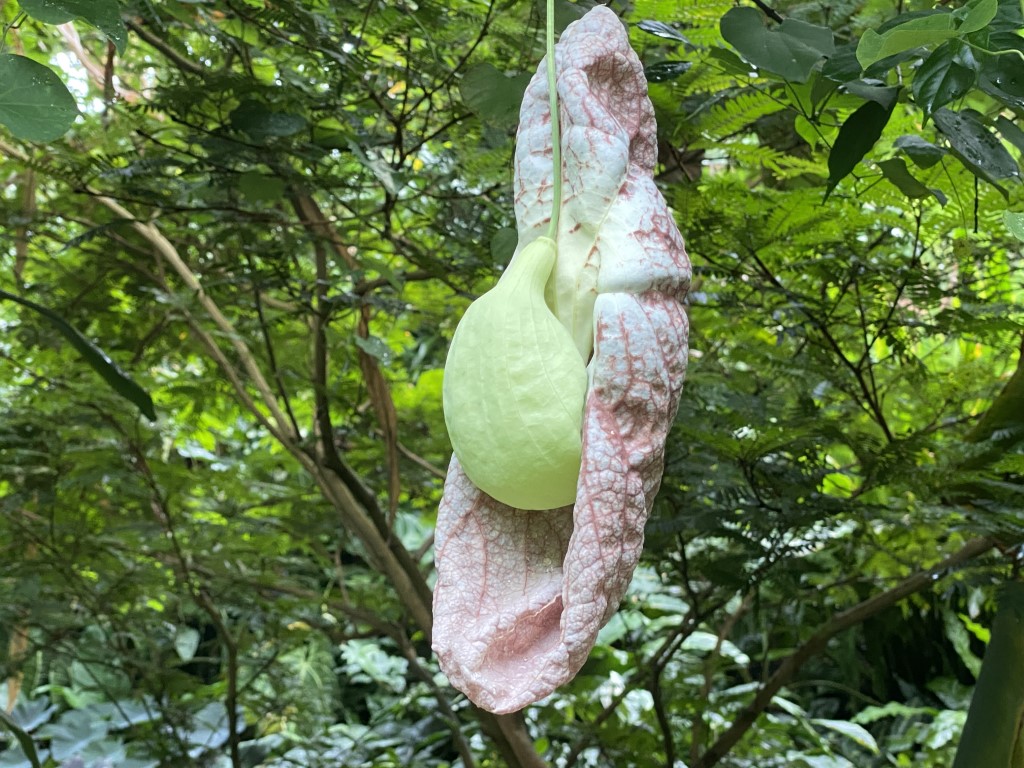
Unusual.
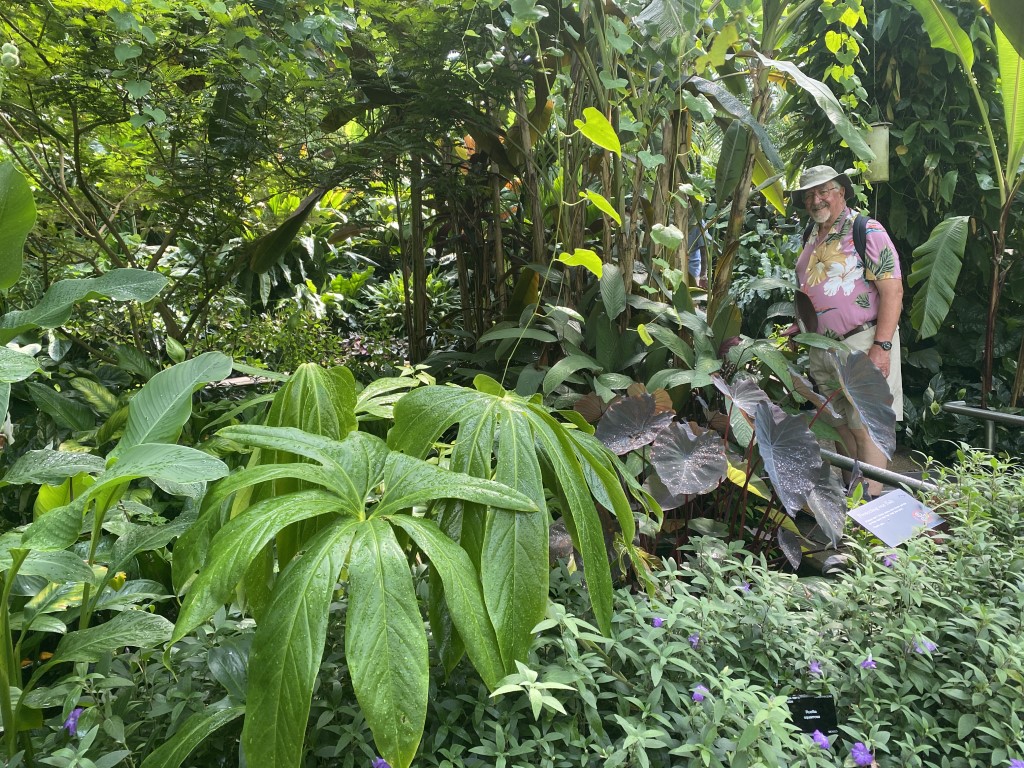
Brendan lurking in the undergrowth.
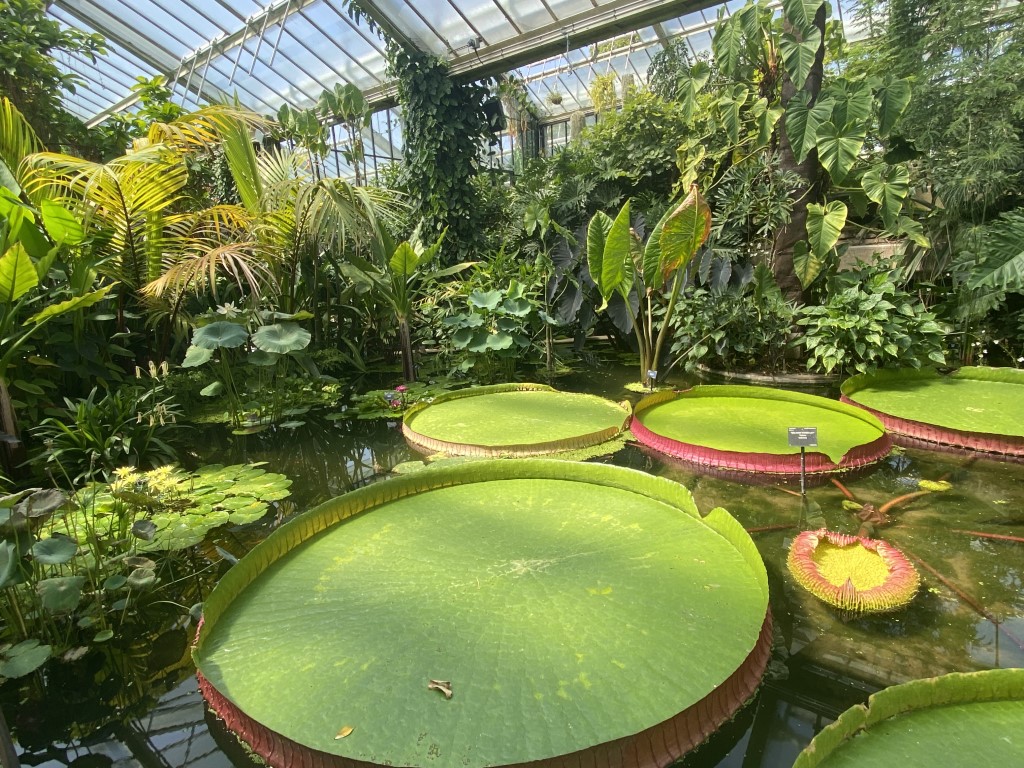
Waterlilies. A 102kg man has stood on one of these pads.
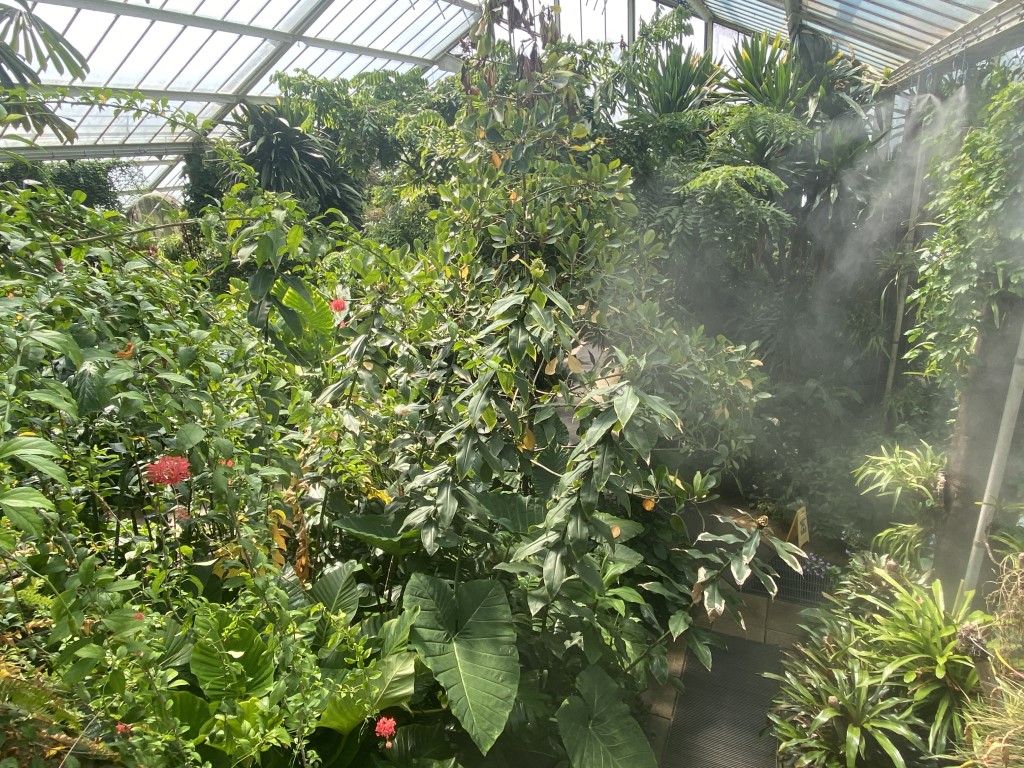
The misters for the tropical rainforest are in full flow.


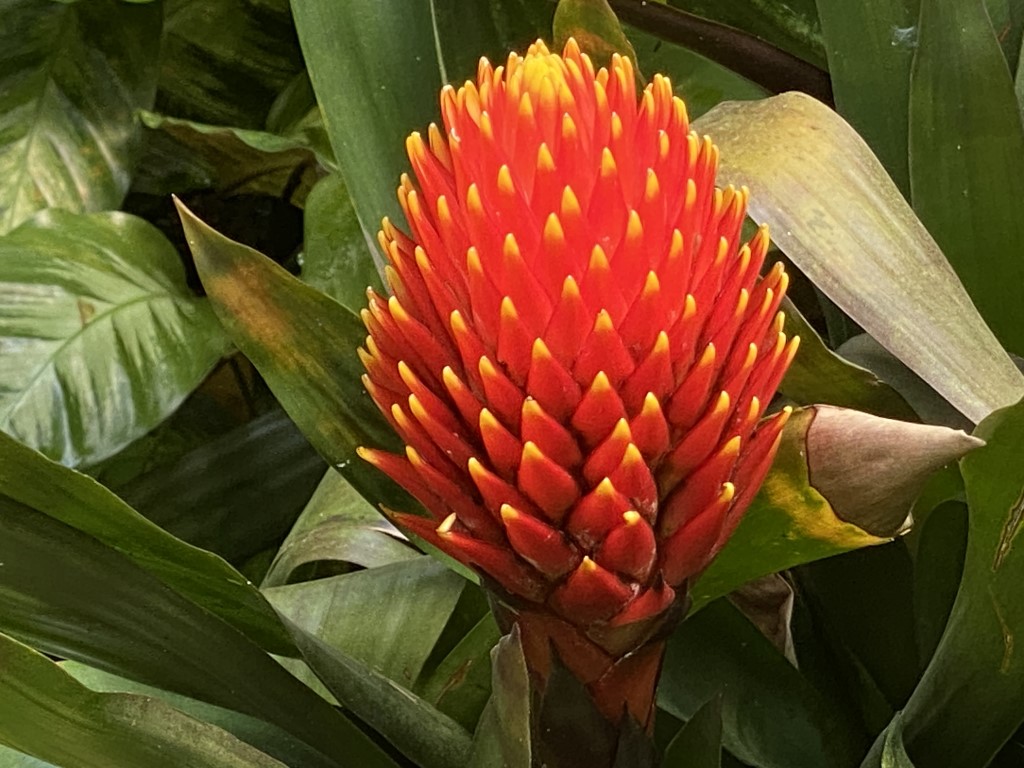
Bromeliad.

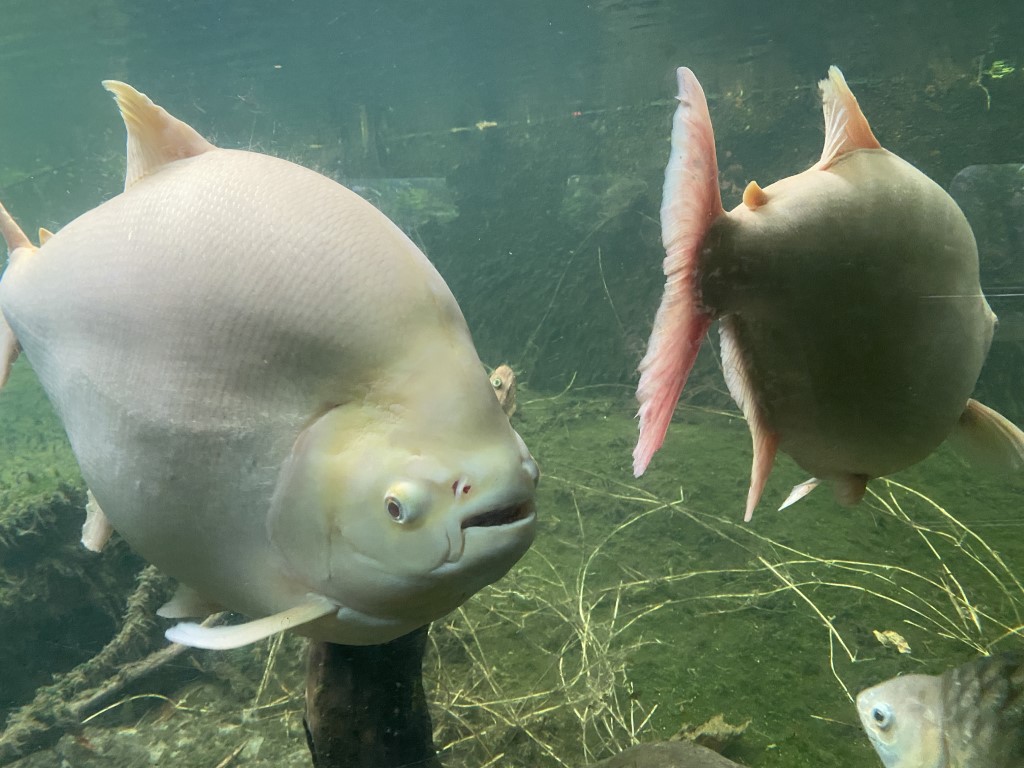
There are viewing windows below the lily pond.


World's smallest water lily.
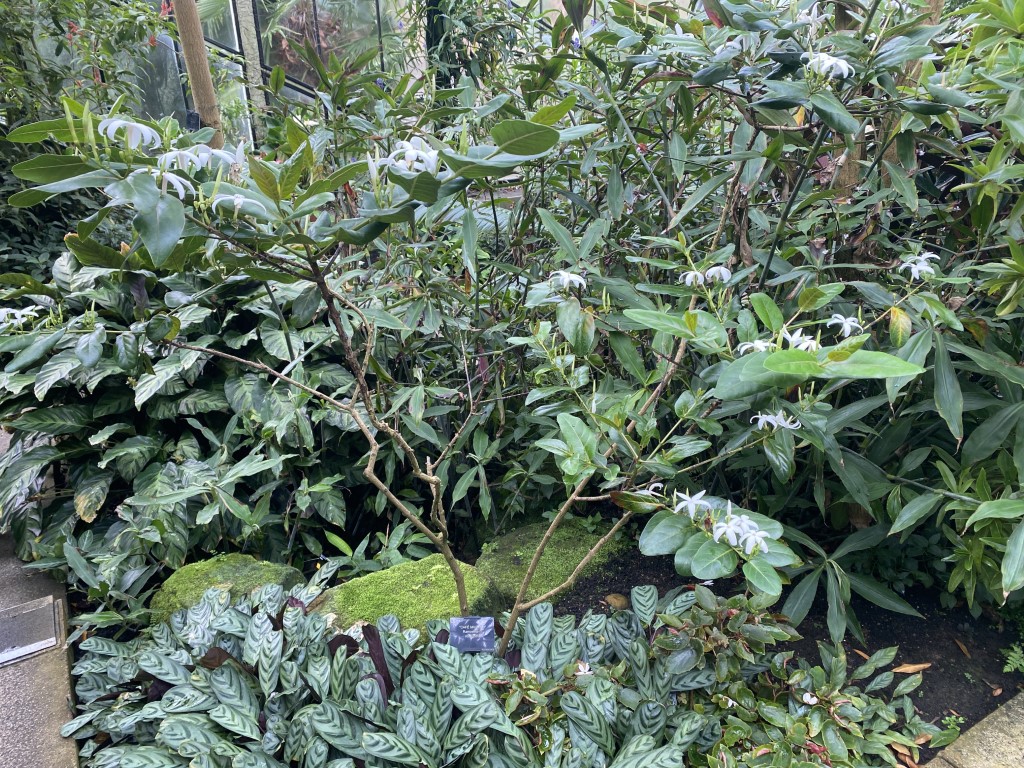
I was pleased to find Ramosmania rodriguesii or cafe marron. This is a tree native to the Mauritian island of Rodrigues which was once thought extinct until one was found in 1979. One cutting made it to Kew, but failed to set fruit for 20 years. Until in 2003 fruit with viable seeds were produced by the horticulturalist Carlos Magdalena. In 2010 300 seeds were germinated successfully in Rodrigues. Giant tortoises are cafe marron's primary predator and they feast on young, low-hanging leaves. Researchers thought that in response to the predation of giant tortoises, the species' young leaves evolved to appear darker and therefore less appealing or visible to the tortoises. I know this from watching Kingdom of Plants by David Attenborough. A great series filmed at Kew Gardens, on Sky.
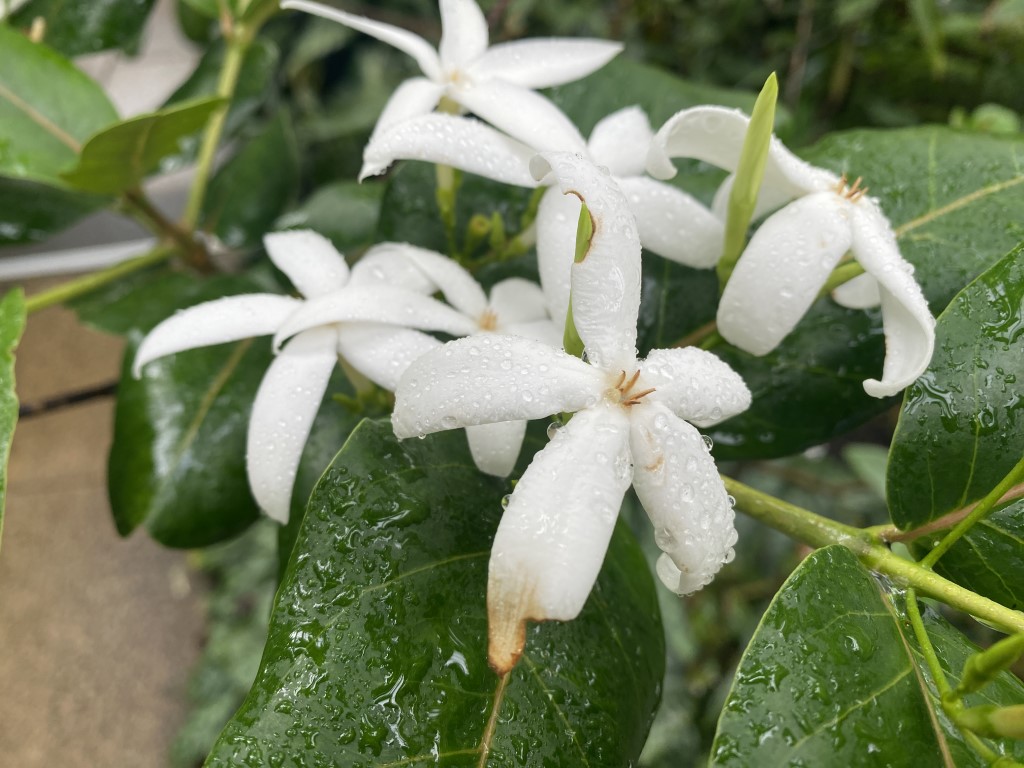
Flowers of the cafe marron tree, disappointingly the young version of the plant was not on display.
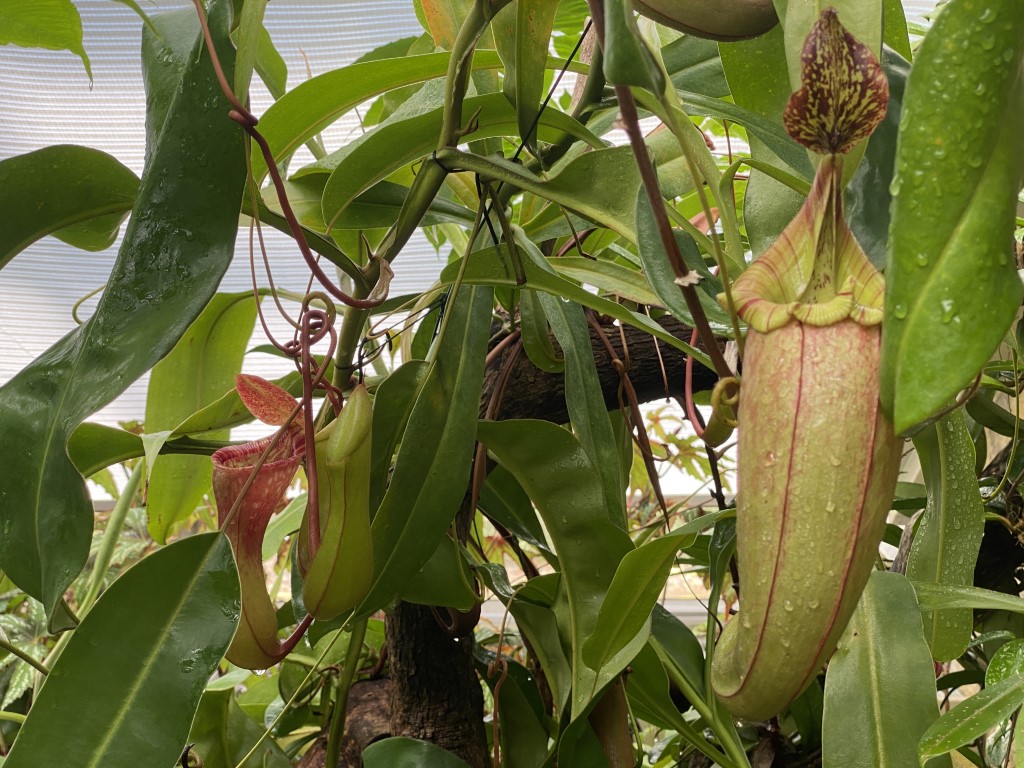
There is a small room of carnivorous plants.
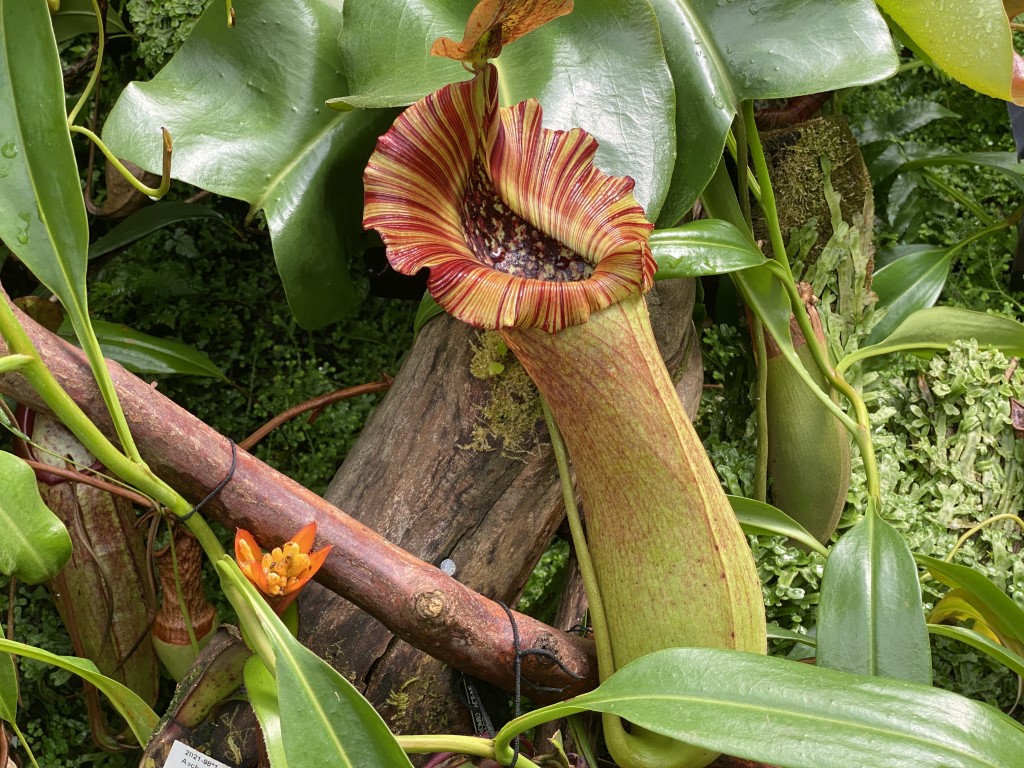
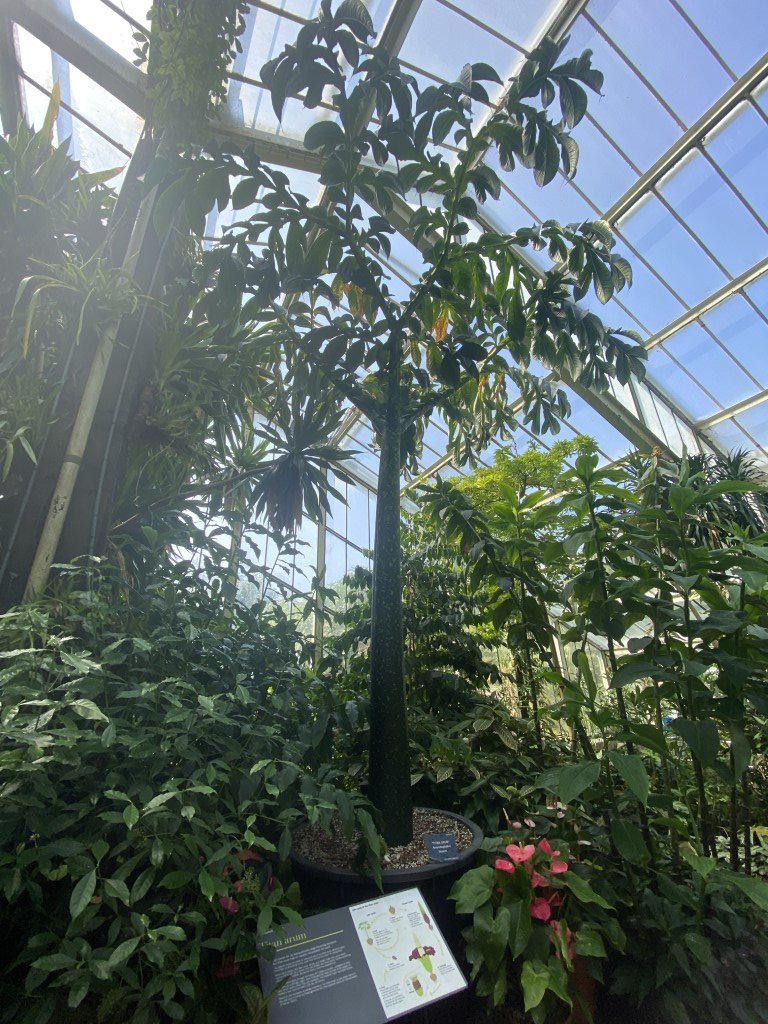
In july we sought out the the titan arum Amorphophallus titanum. This is just a giant leaf at this stage of its life cycle. Nicknamed the corpse flower, it has an incredibly foul smell of rotten flesh when in bloom. This nauseating odour is produced to attract pollinators that love to feed and breed on flesh. Titan arum only grows in the rainforests of Sumatra.
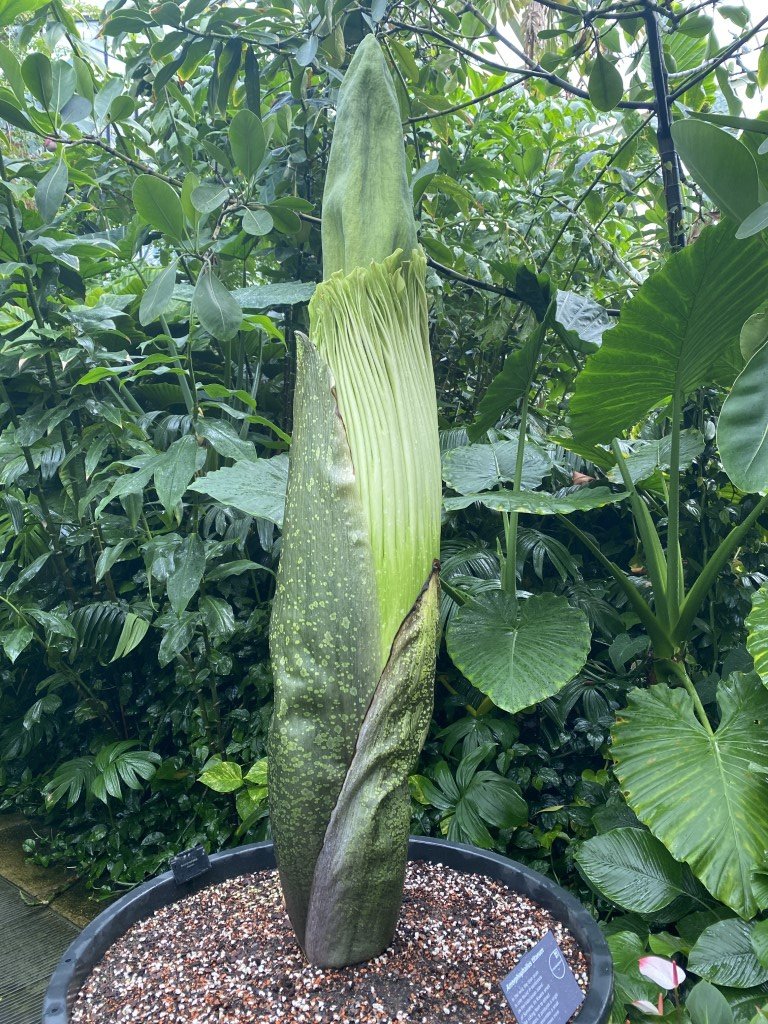
In September a soon to be flowering Titan arum was put on display. It flowers about once every seven years and had put on a growth spurt over the last few days. So we went back several times to look at it.

When it blooms it is only for one or two nights. The flower temperature also raises to above 37C to replicate animal heat.
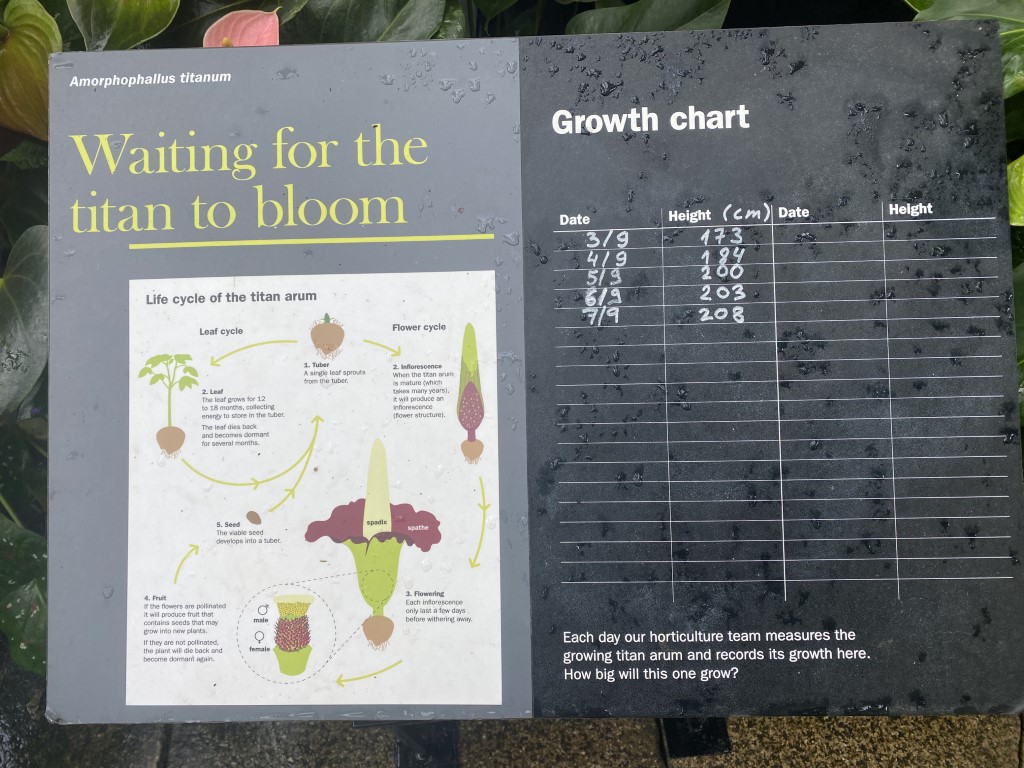
Life cycle and growth chart.
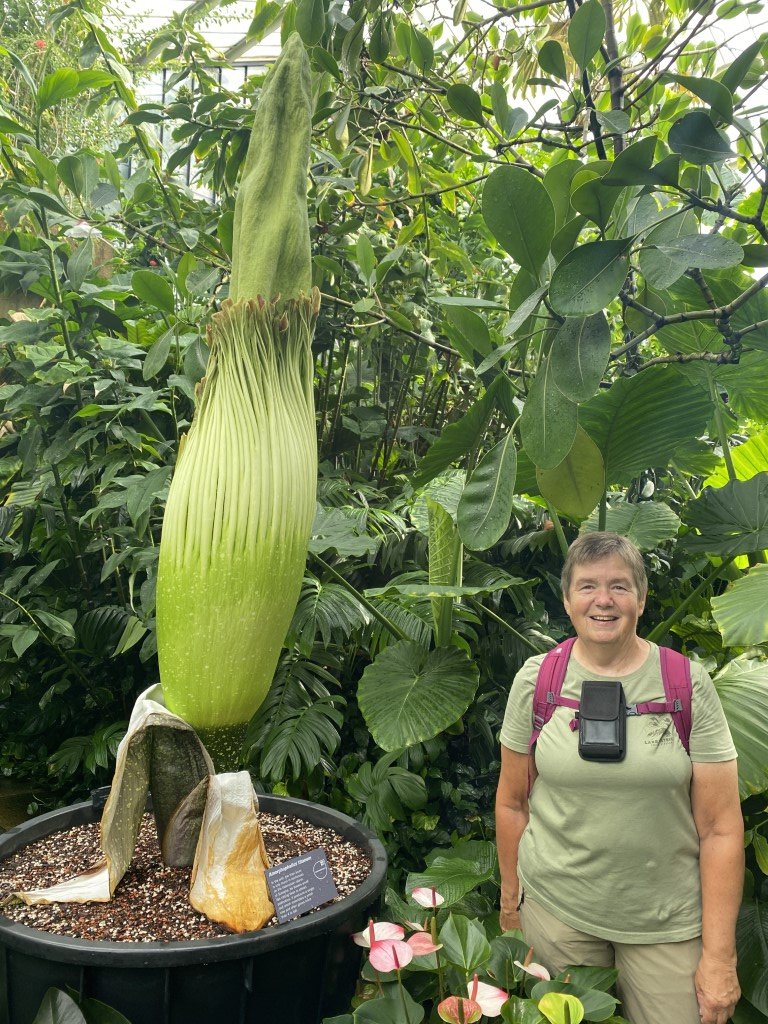
It had still not flowered on our last day.
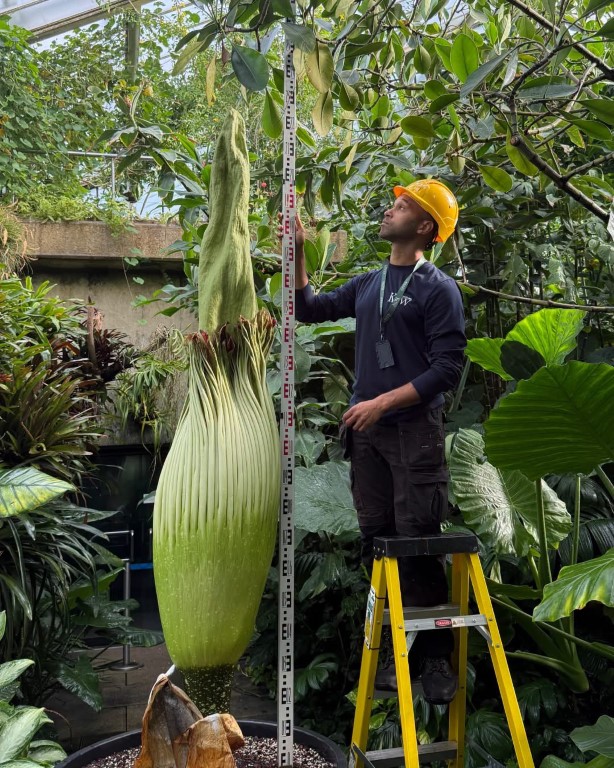
The growth is monitored.
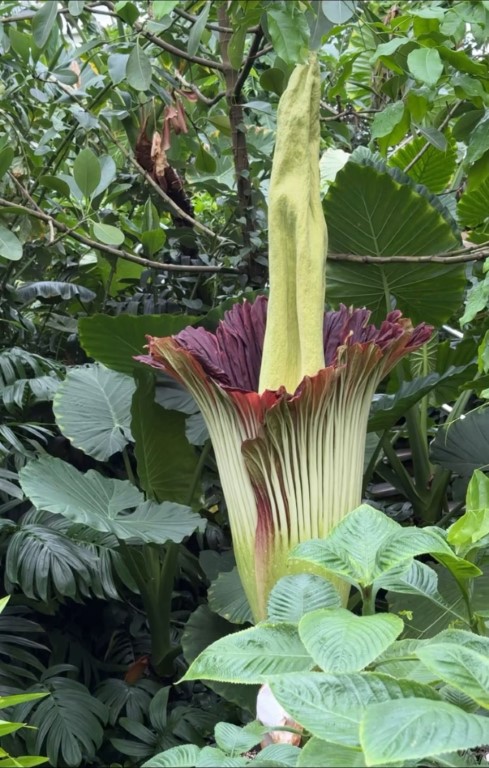
It flowered three days later......bugger! I 'borrowed' this and the previous photo from Kew's Facebook update.
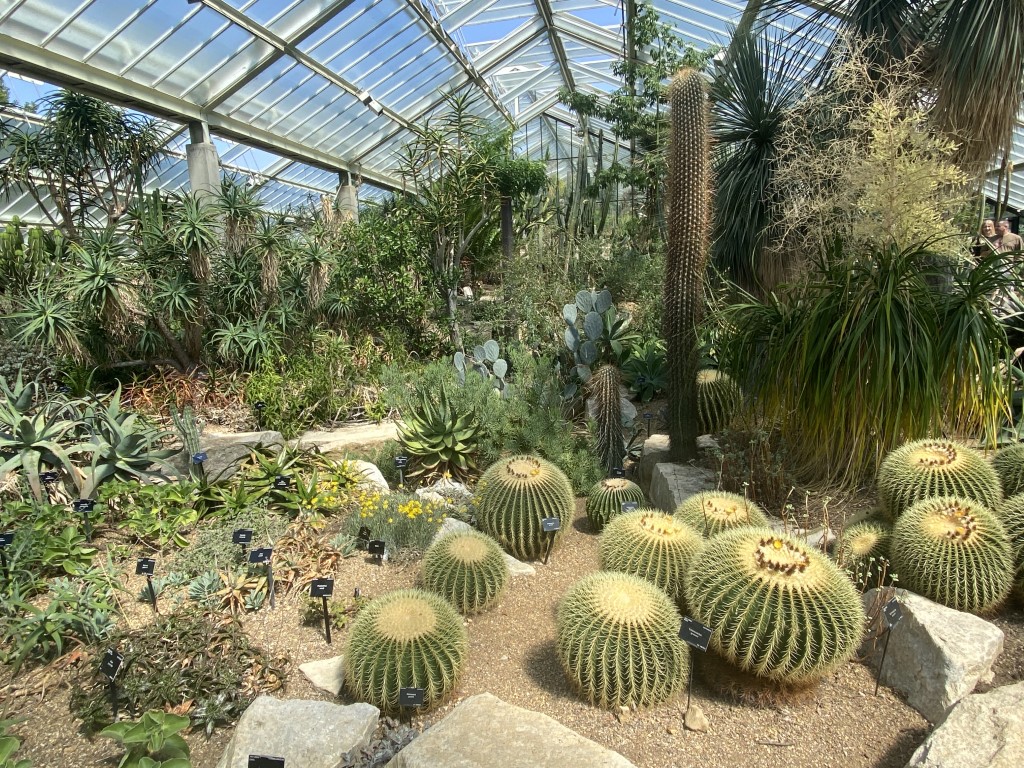
Desert zone.

David Attenborough's time capsule contains seeds of basic food stuffs and endangered plant species, plus the Gaia Atlas of Plant Management. It is due to be opened in the year 2085. Thanks to Jo Pollock for looking this up for me. I'd assumed that the contents might have been more personal in nature; a creased blue shirt, a fossil or two and a copy of Bach's Goldberg Variations. Shows how much I know!


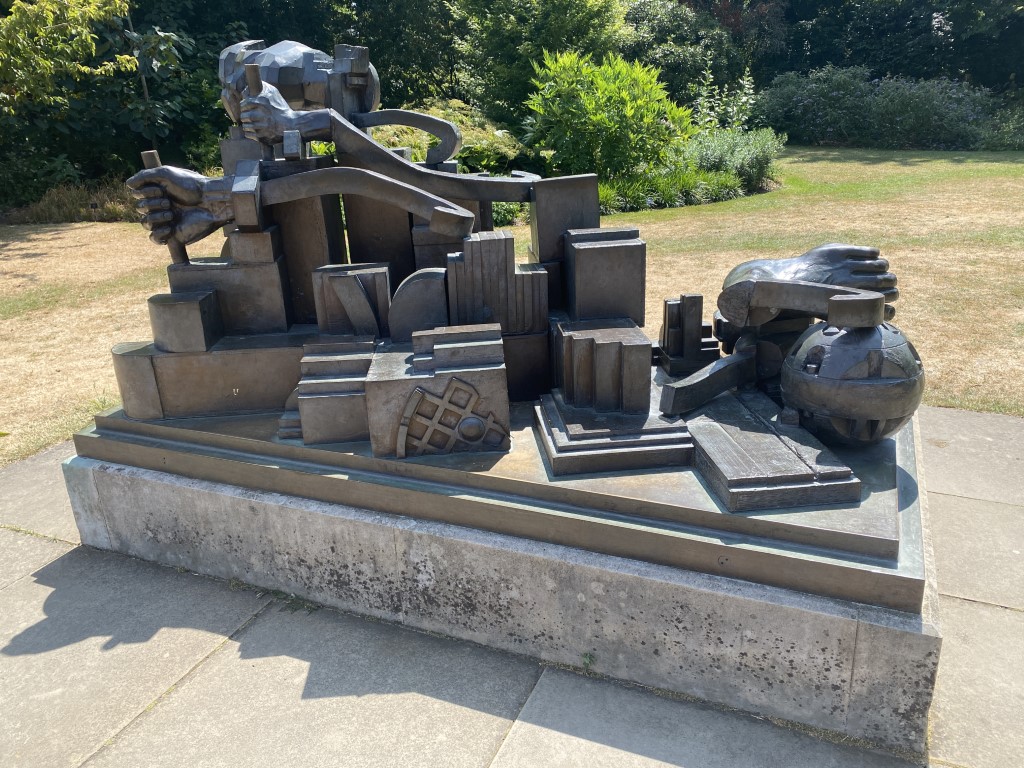
Sculpture by the door, not Henry Moore.

Neither is this.
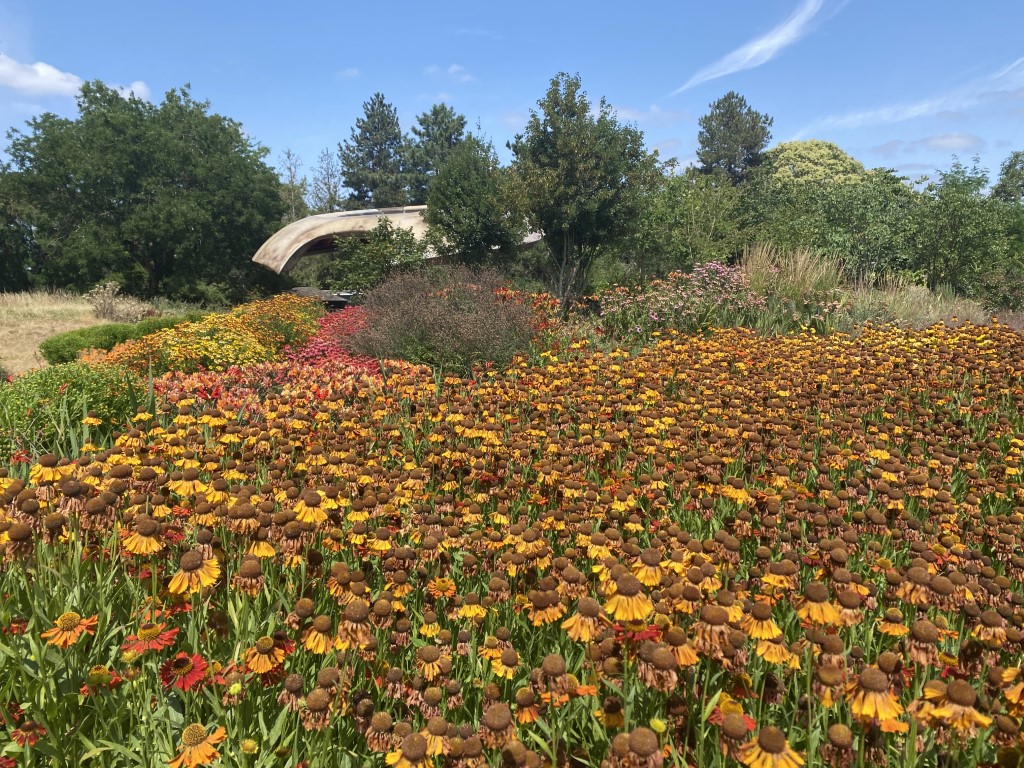
Lovely!
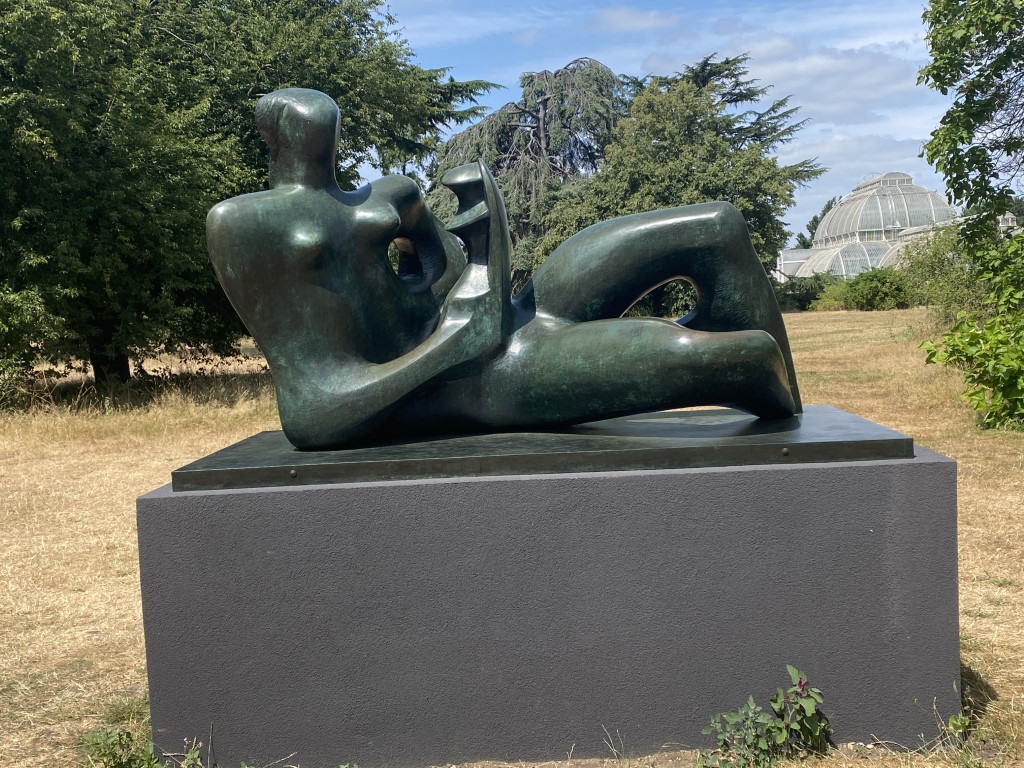
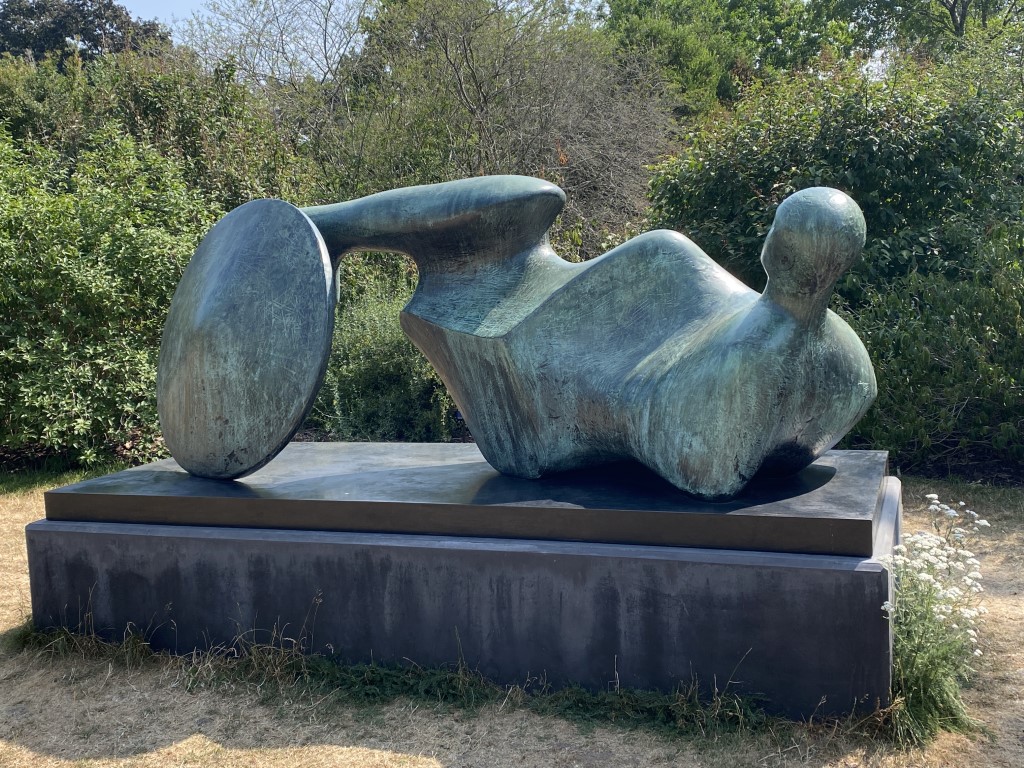
Henry Moore: Reclining Figure

The Evolution Garden was interesting. It was laid out like in the picture.

This was just one of the areas.
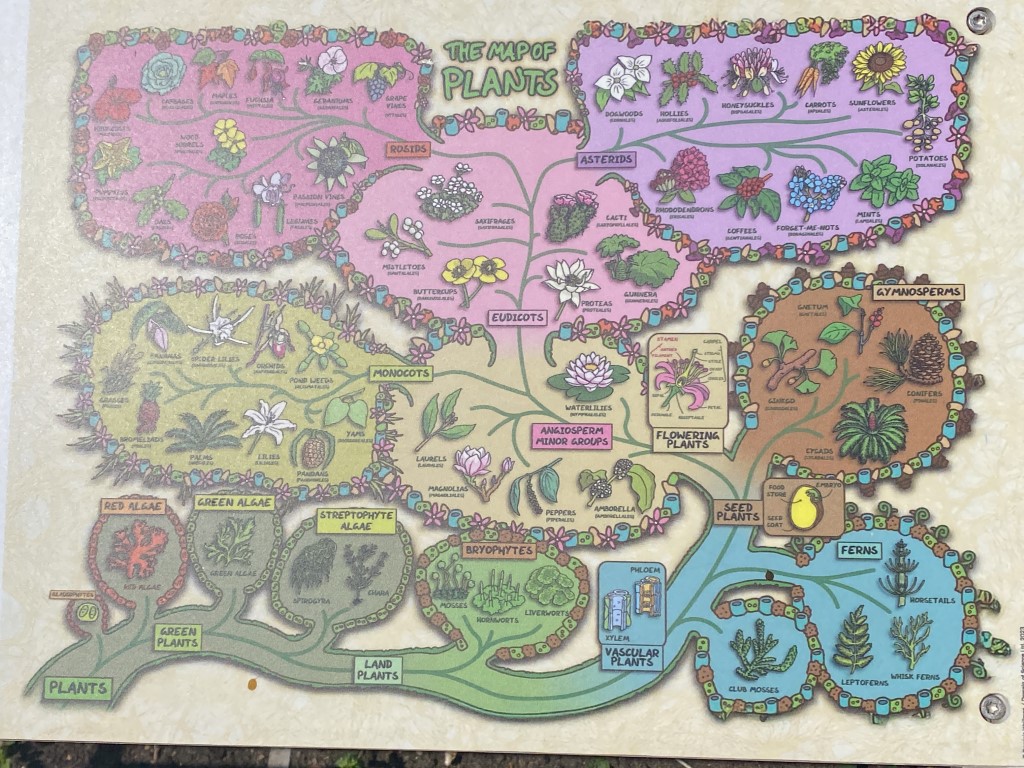
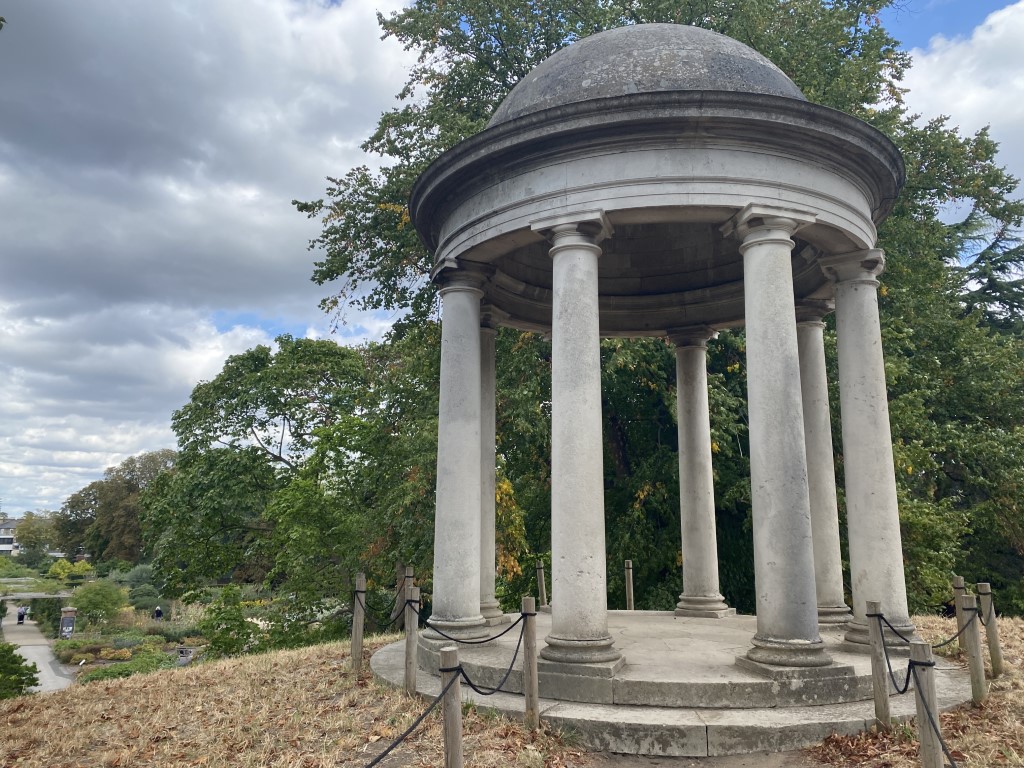
The Evolution Garden is seen on the left of the Temple of Aeolus.
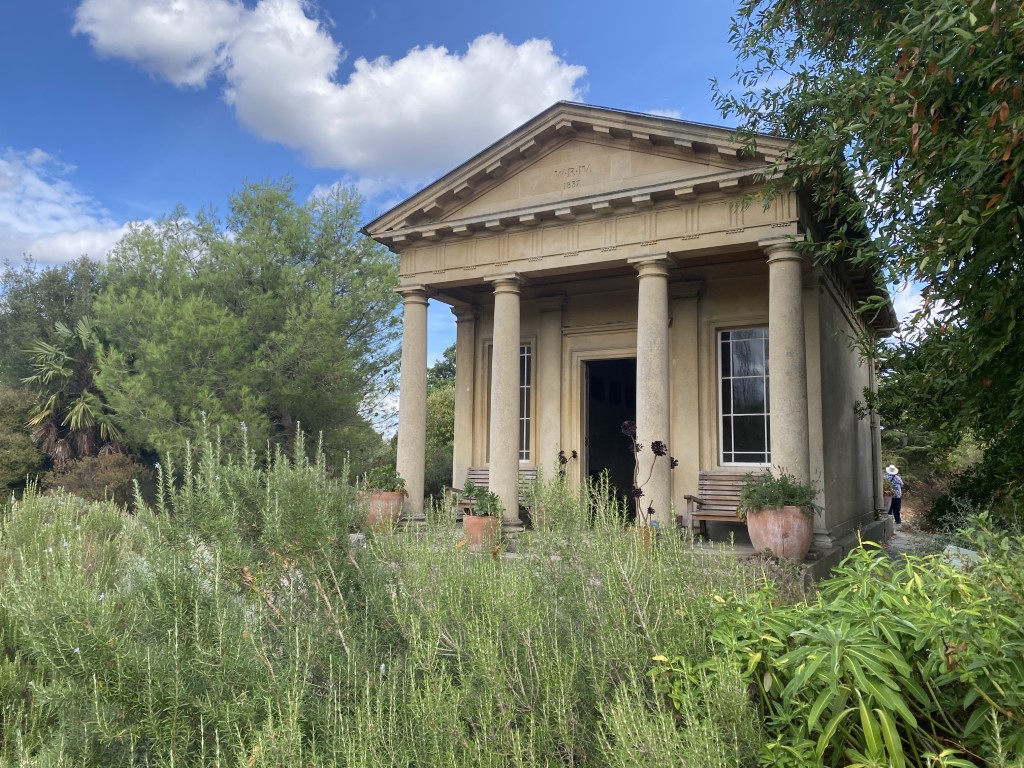
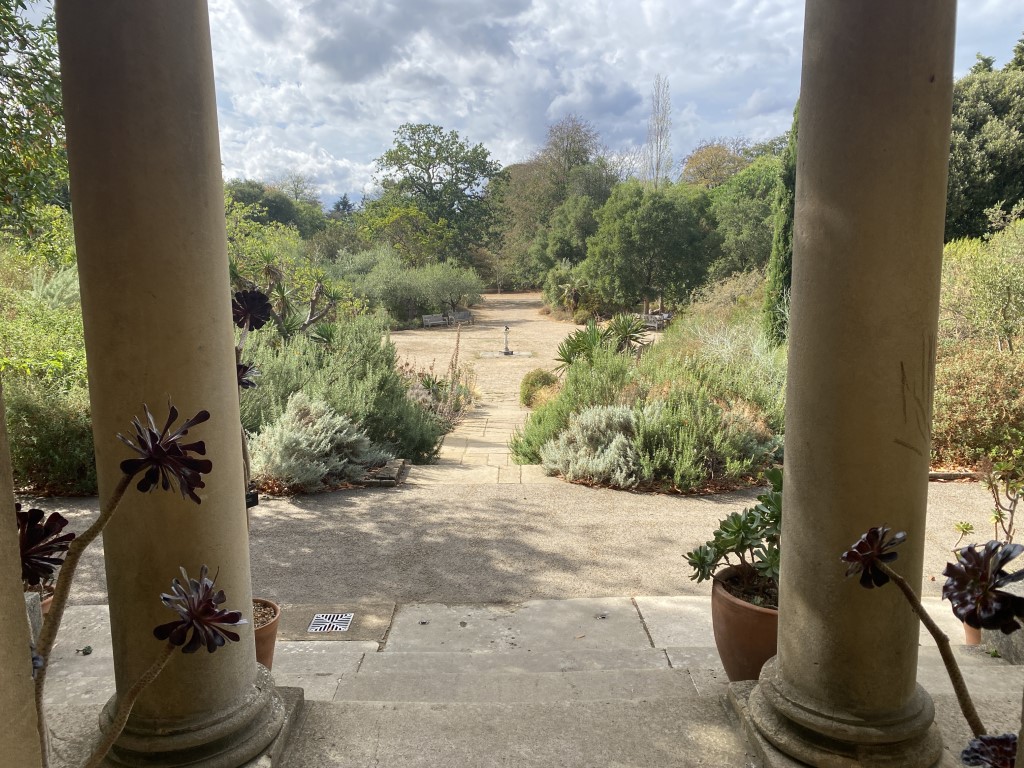
Mediterranean Garden. The plants here were doing well in the drought.
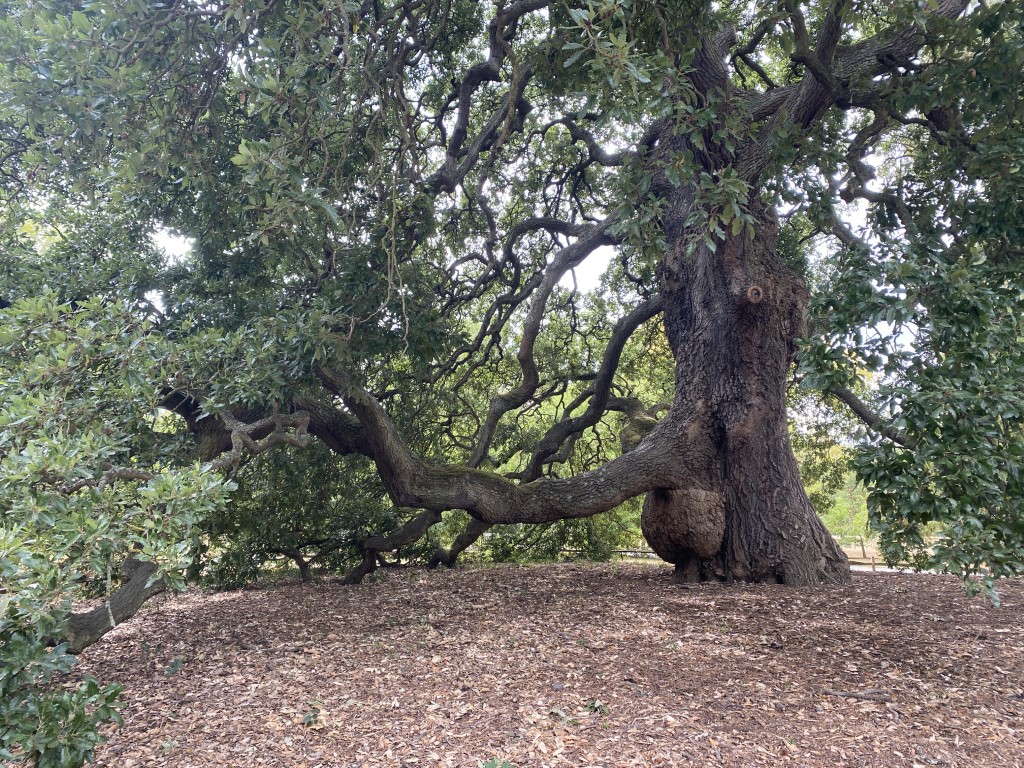
Lucombe oak.

The dead skeleton of a northern red oak. It is painted bright red to serve as a stark visual reminder of the climate crisis and the impact of rising temperatures.
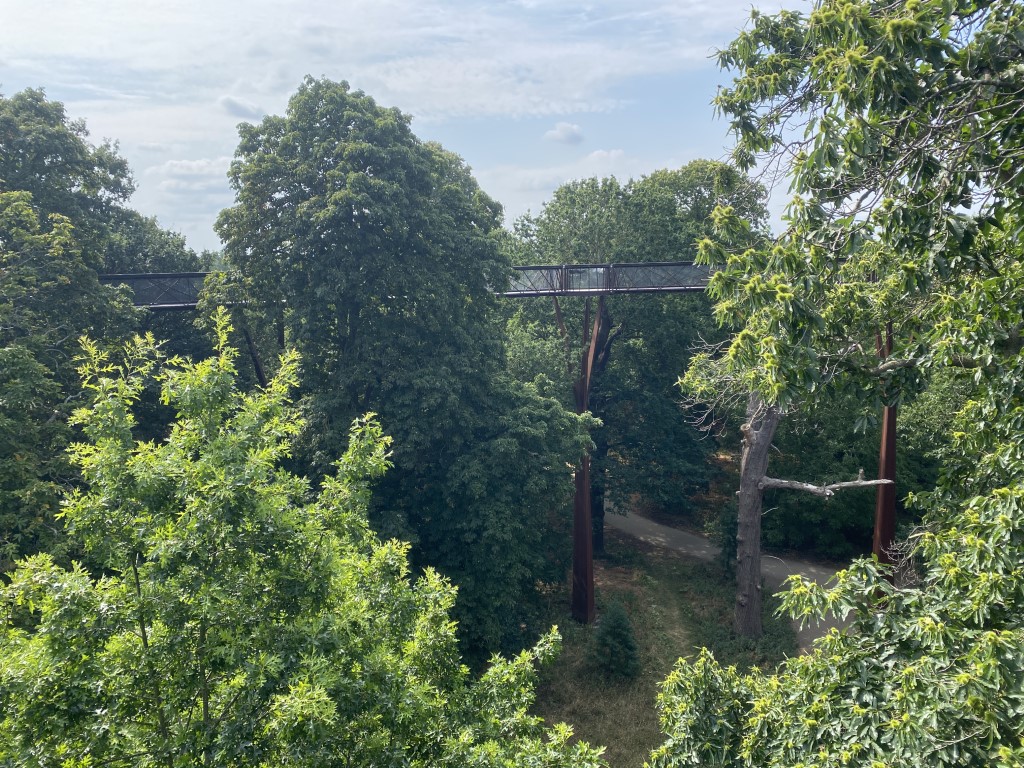
Treetop Walkway views.

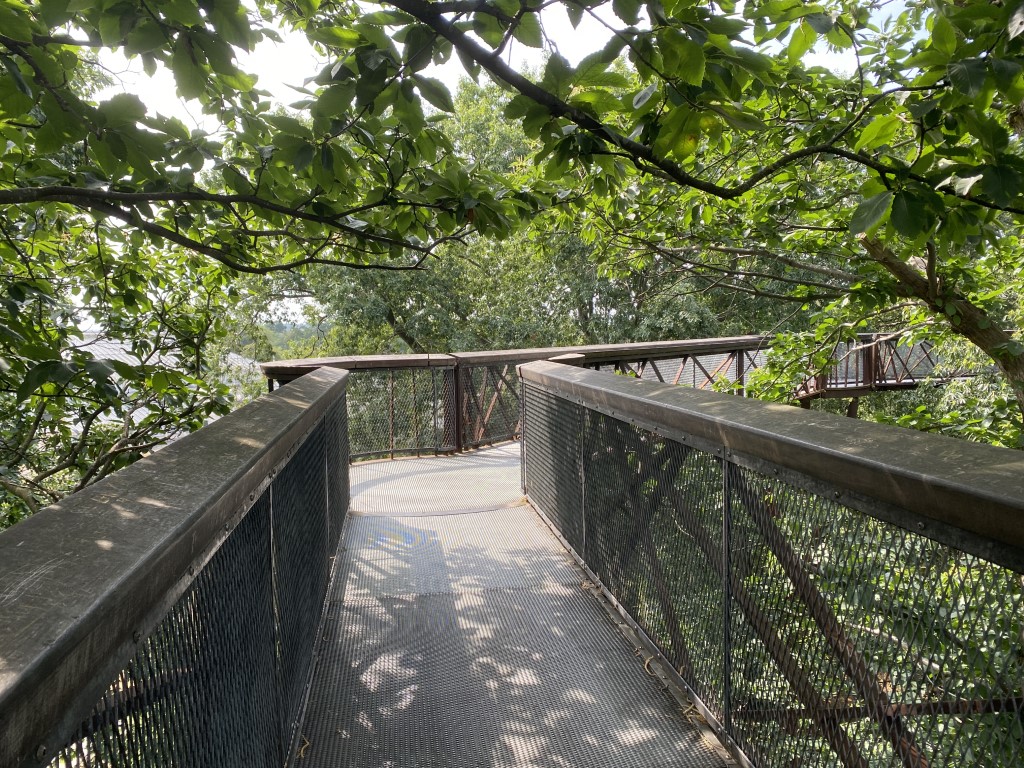
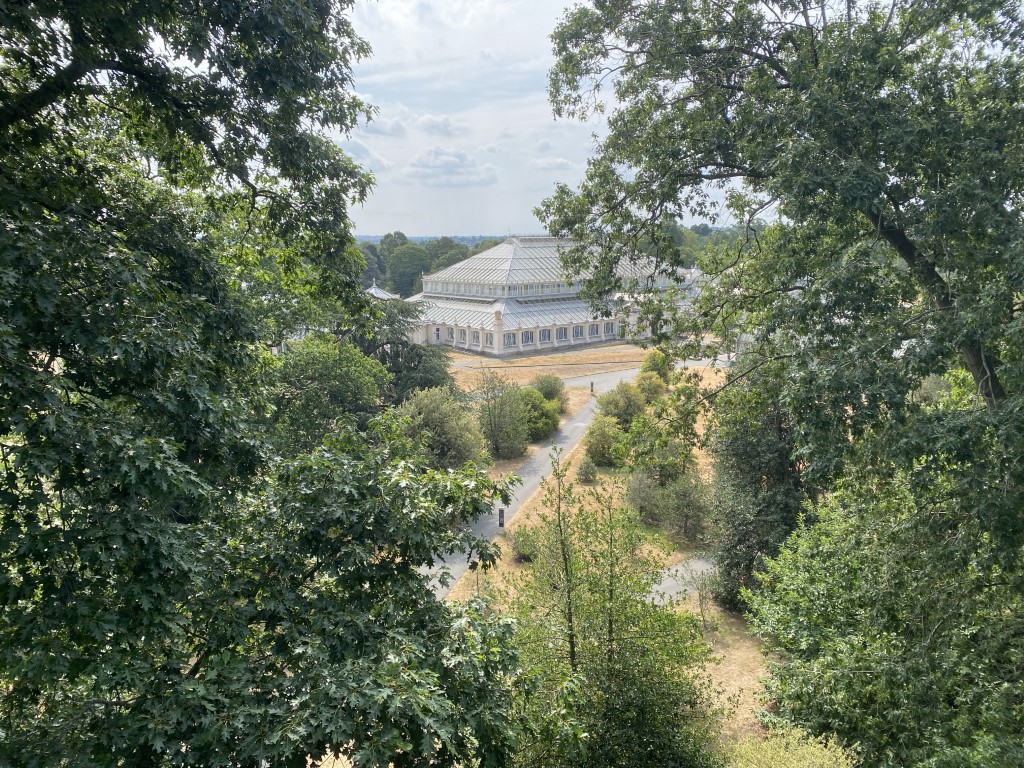
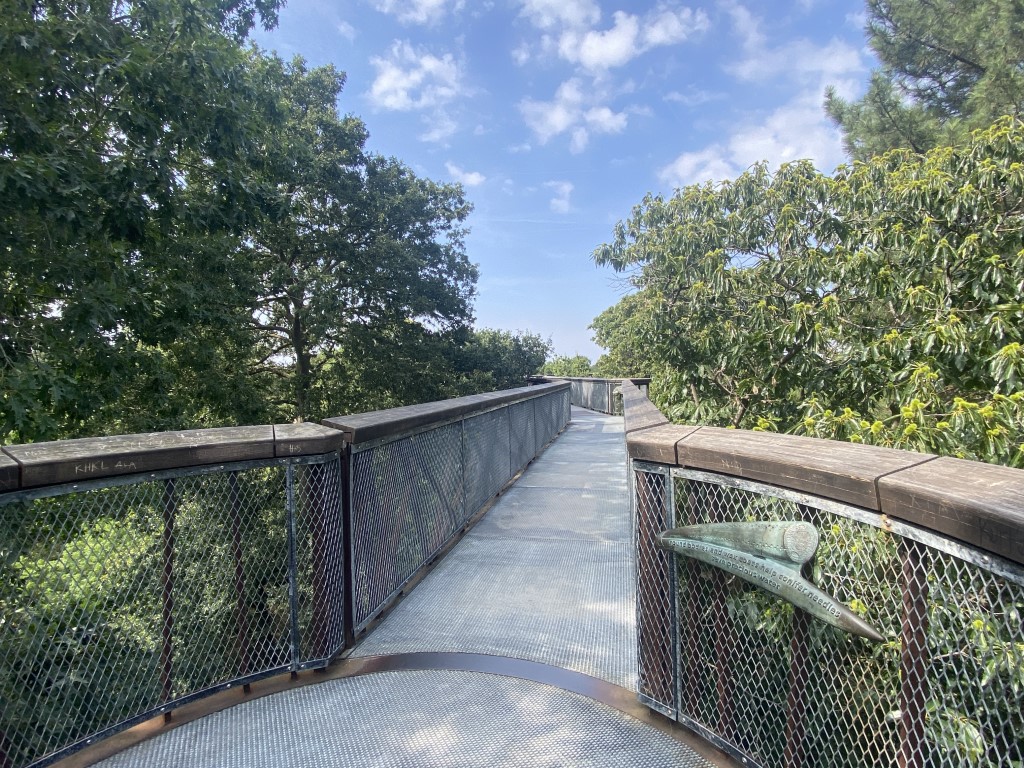
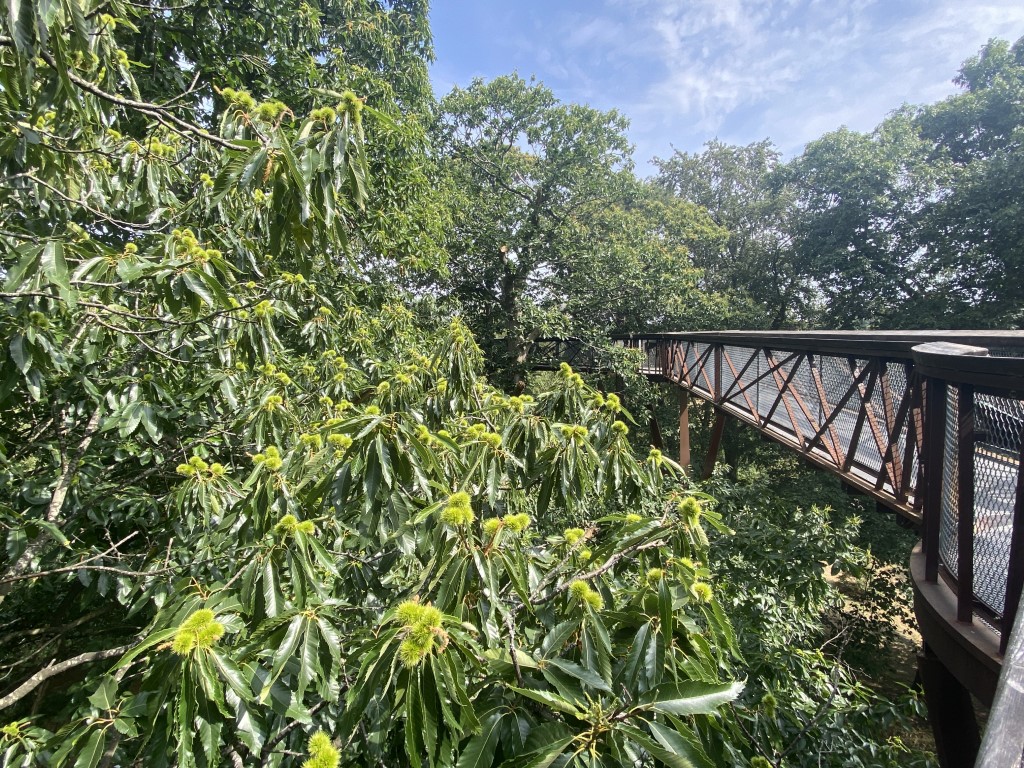
Great views into the tree canopy.
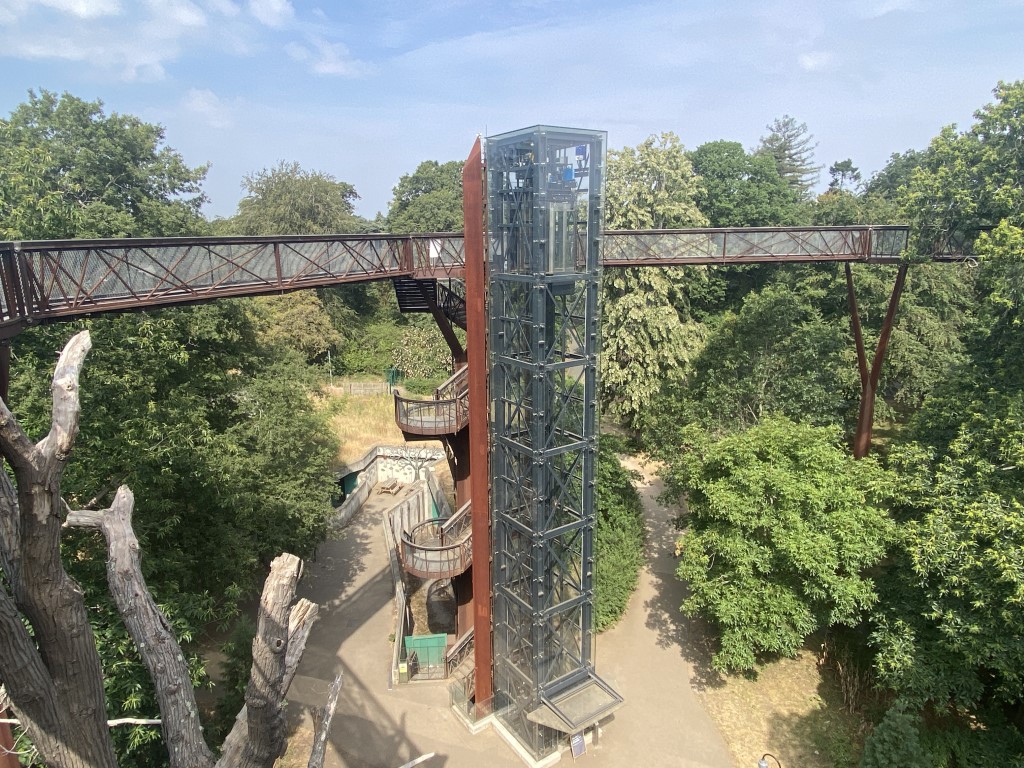
The lift wasn't working early morning, so we had to use the stairs.
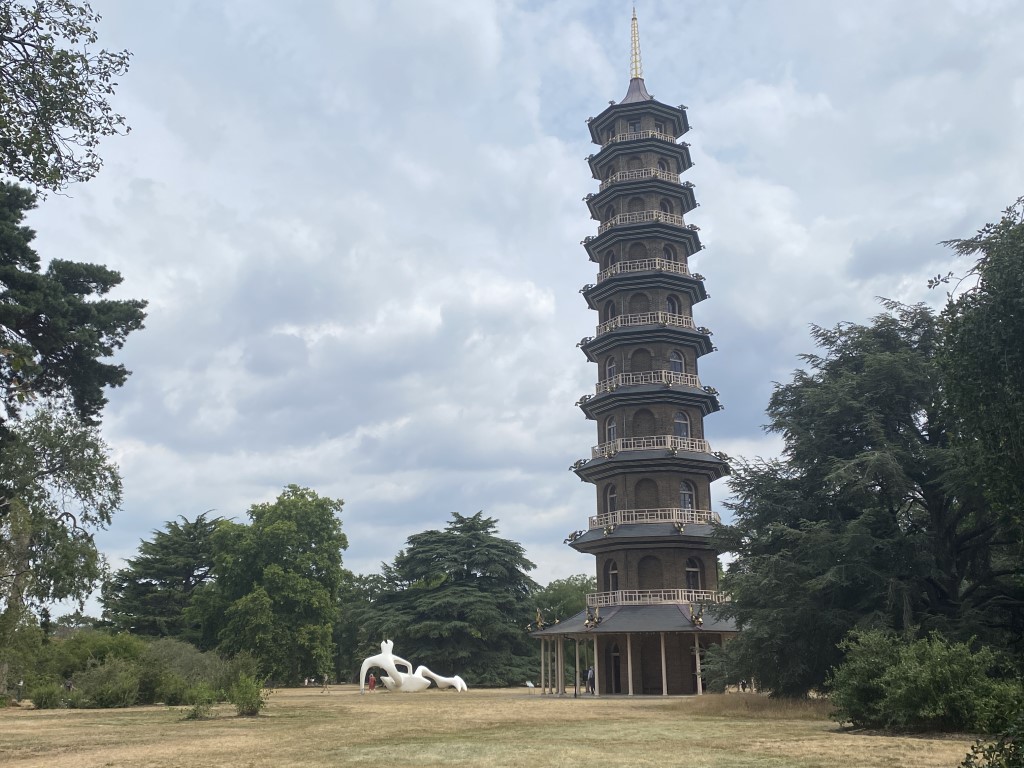
Great Pagoda and Henry Moore's Large Reclining Figure.
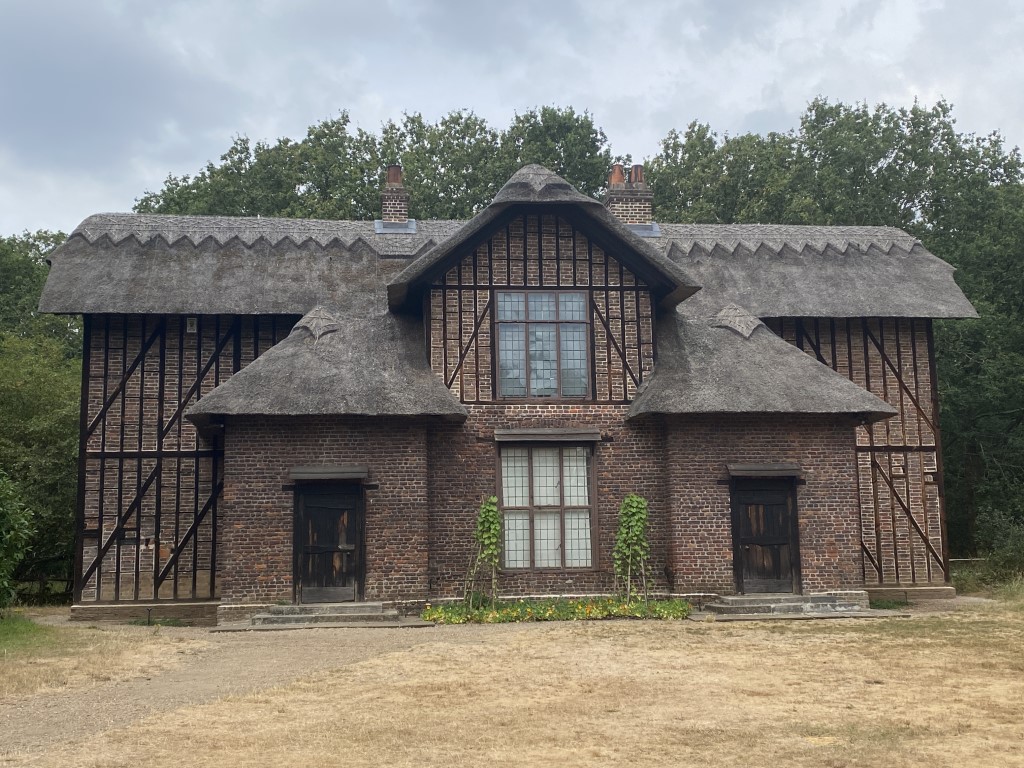
Queen Charlotte's Cottage.

Cinder Track.
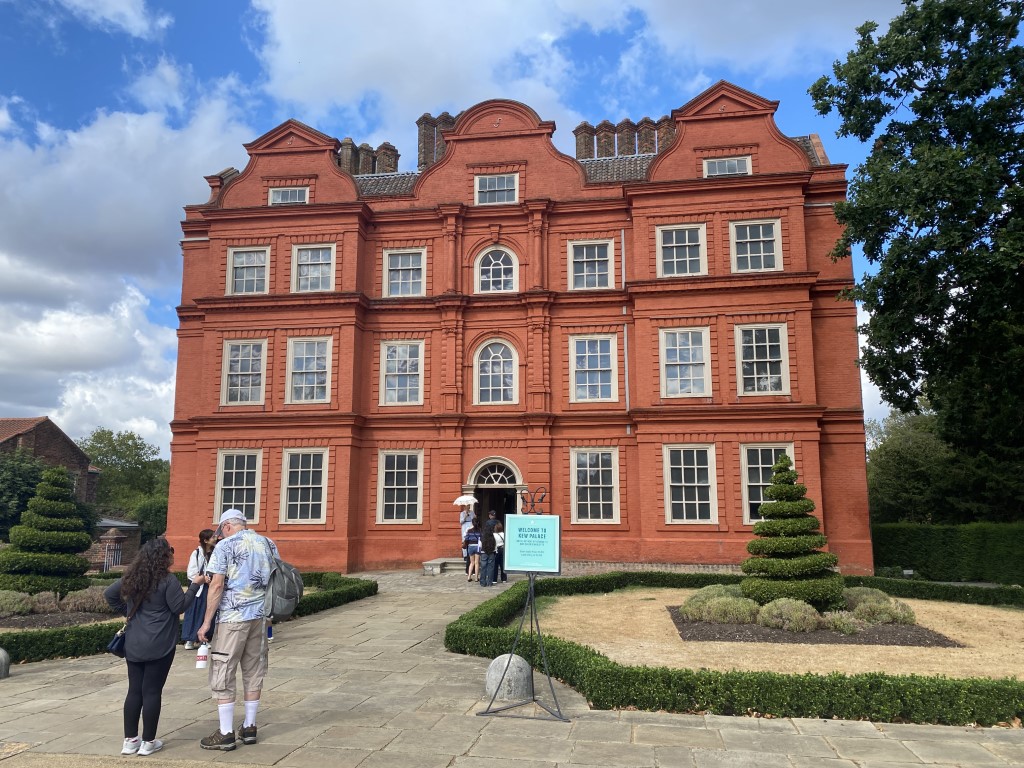
Kew Palace.

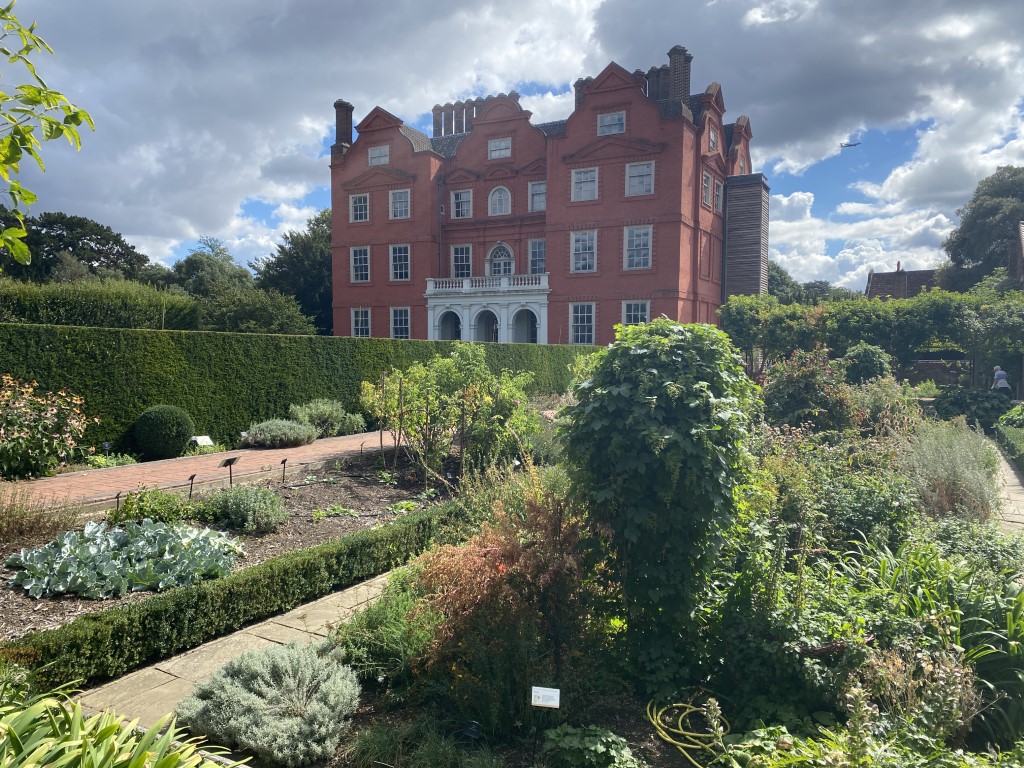
Palace Gardens.
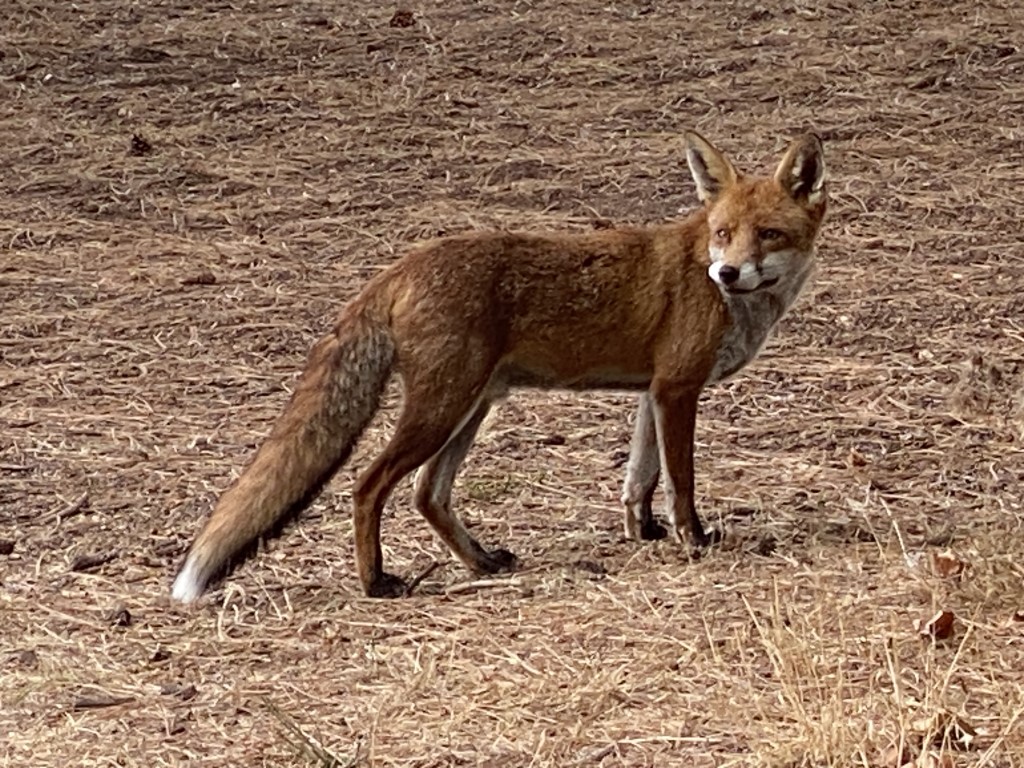
Fox

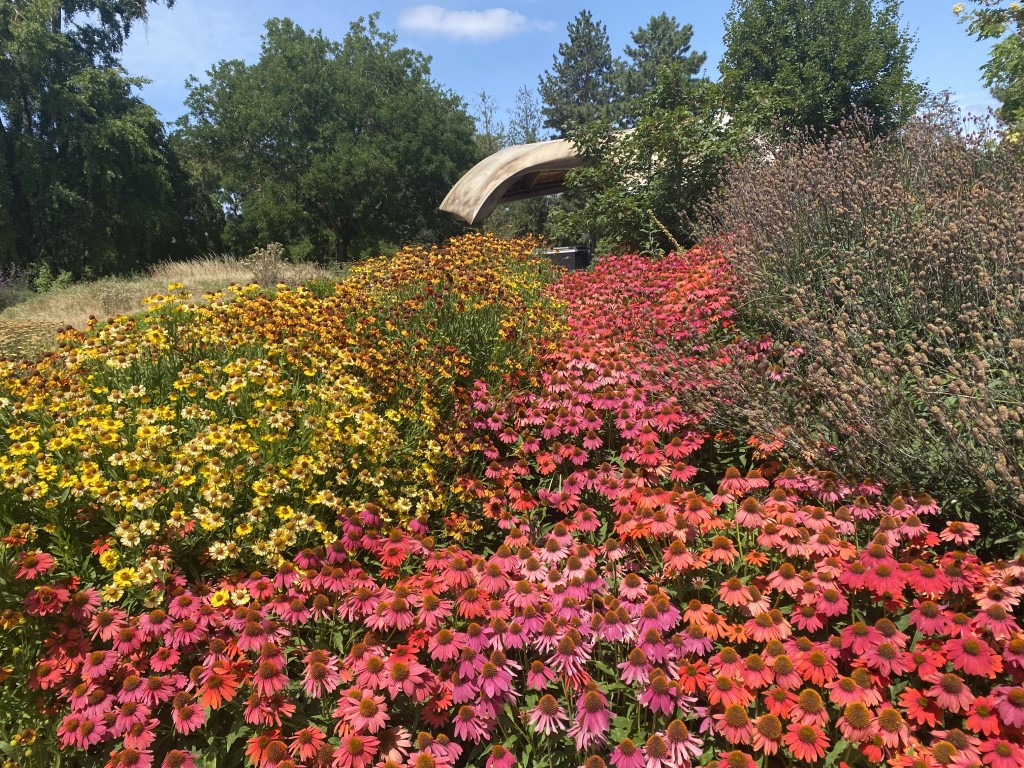
Lovely bedding.
I always love a visit to Kew Gardens.
Jo.


